Hot Selling for Pine bark Extract Moldova
Hot Selling for Pine bark Extract Moldova Detail:
[Latin Name] Pinus pinaster.
[Specification] OPC ≥ 95%
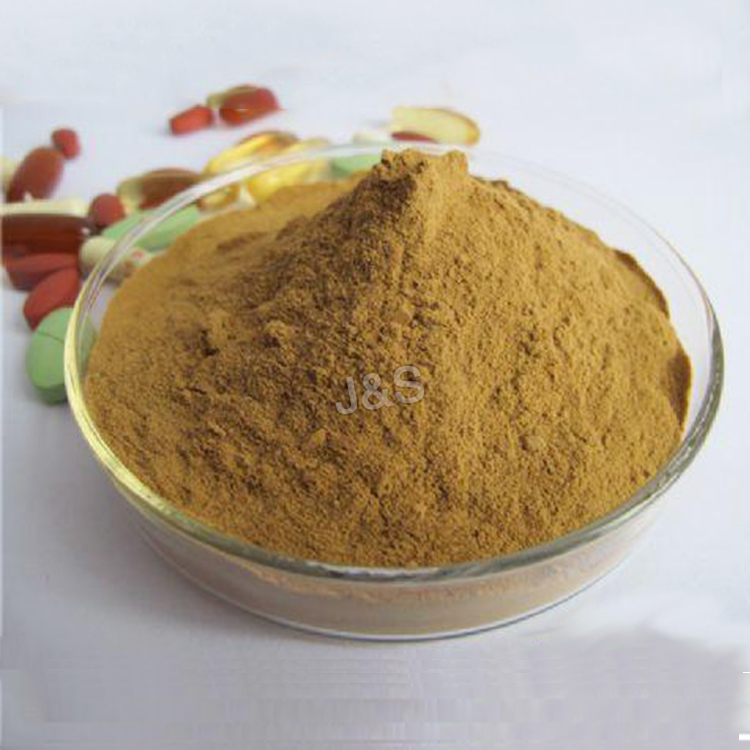
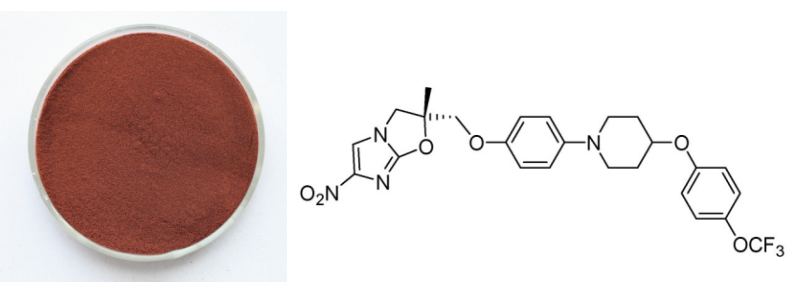
[Appearance] Red brown fine powder
Plant Part Used: Bark
[Particle size] 80Mesh
[Loss on drying] ≤5.0%
[Heavy Metal] ≤10PPM
[Storage] Store in cool & dry area, keep away from the direct light and heat.
[Shelf life] 24 Months
[Package] Packed in paper-drums and two plastic-bags inside.
[Net weight] 25kgs/drum
[What is Pine bark?]
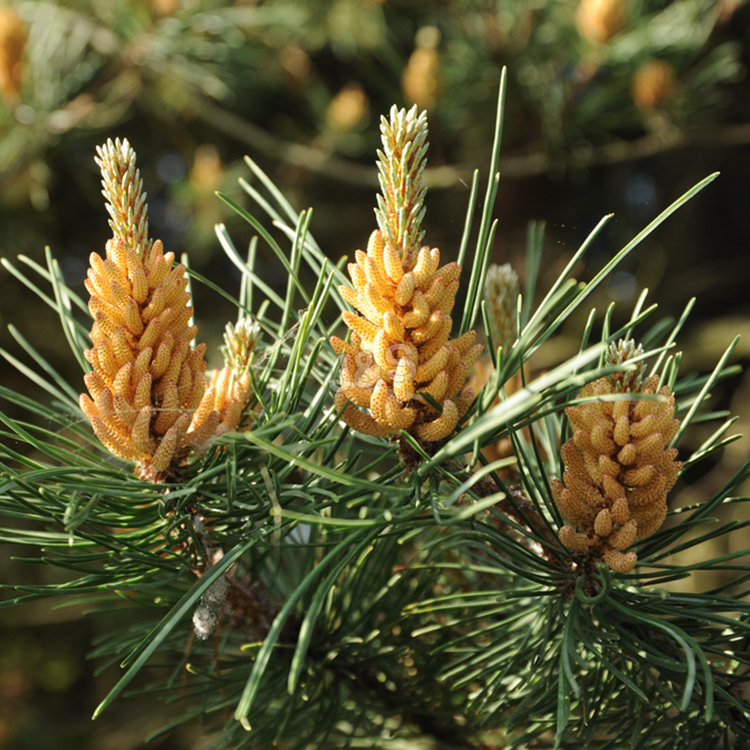
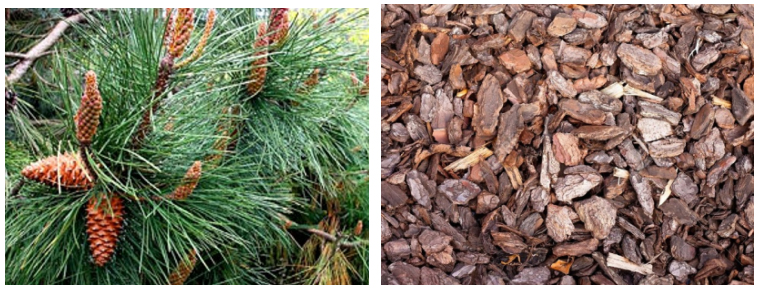
Pine bark, botanical name Pinus pinaster, is a maritime pine native to southwest France that also grows in countries along the western Mediterranean. Pine bark contains a number of beneficial compounds that are extracted from the bark in a way that doesn’t destroy or damage the tree.
[How does it work?]
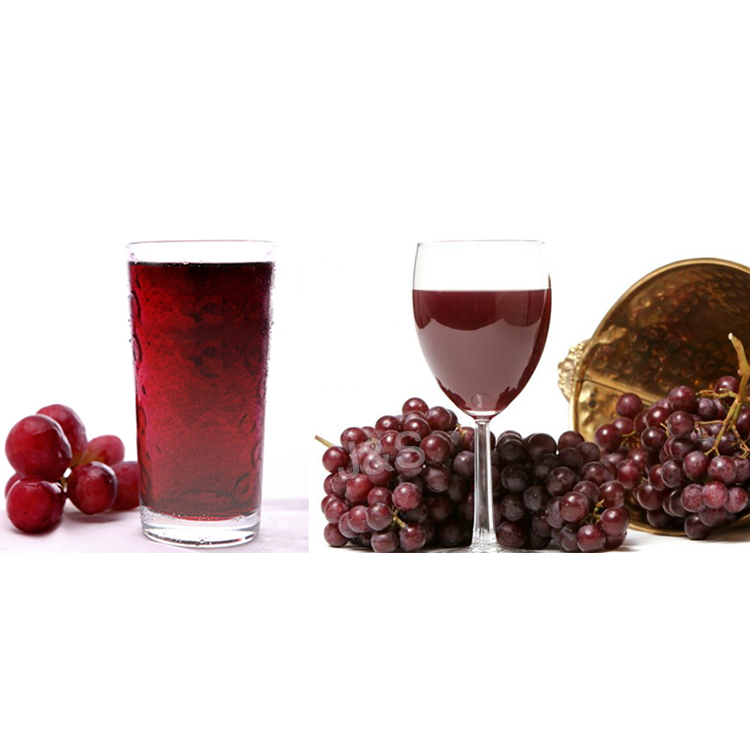
What gives pine bark extract its notoriety as a powerful ingredient and super antioxidant is that it’s loaded with oligomeric proanthocyanidin compounds, OPCs for short. The same ingredient can be found in grape seeds, the skin of peanuts and witch hazel bark. But what makes this miracle ingredient so amazing?
While OPCs found in this extract are mostly known for their antioxidant-producing benefits, these amazing compounds exude antibacterial, antiviral, anticarcinogenic, anti-aging, anti-inflammatory and anti-allergic properties. Pine bark extract can help reduce muscle soreness and may help improve conditions relating to poor circulation, high blood pressure, osteoarthritis, diabetes, ADHD, female reproductive issues, skin, erectile dysfunction, eye disease and sports stamina.
Seems like it must be pretty amazing, but let’s look closer. The list goes on a bit further, as the OPCs in this extract may “inhibit lipid peroxidation, platelet aggregation, capillary permeability and fragility, and to affect enzyme systems,” which basically means it may be a natural treatment for many serious health conditions, such as stroke and heart disease.
[Function]
- Lowers Glucose Levels, Improving Diabetic Symptoms
- Helps Prevent Hearing Loss and Balance
- Staves Off Infections
- Protects the Skin from Ultraviolet Exposure
- Decreases Erectile Dysfunction
- Reduces Inflammation
- Helps Increase Athletic Performance
Product detail pictures:
Related Product Guide:
we can easily offer you high-quality products and solutions, competitive rate and very best shopper support. Our destination is "You come here with difficulty and we give you a smile to take away" for Hot Selling for Pine bark Extract Moldova , The product will supply to all over the world, such as: India, America, Iceland, Establish long term and win-win business relationships with all our customers, share the success and enjoy the happiness of spreading our products to the world together. Trust us and you will gain more. Please feel free to contact us for more information, we assure you of our best attention at all times.
Starts from the INSIDE!
#LovetheSkinYourin #HealthisWealth
https://bit.ly/1QC10oT
Having SteviaSweet 95-60 stevia extract in the food designer’s toolkit. Extracted from the leaves of the South American plant Stevia rebaudiana, this high potency sweetener has 200 to 300 times the sweetness of sugar. There are several components within the leaf, but only two main steviol glycosides contribute sweetness, Stevioside and Rebaudioside A commonly referred to as Reb A. Both the balance and the purity of these compounds will impact flavor.
While many companies gravitate toward high levels of Reb A, Steviva Ingredients has a different approach with SteviaSweet 95-60. SteviaSweet 95-60 is a proprietary blend of steviol glycosides containing 60% pure Reb A and 95% steviosides. This perfect combination delivers what we feel is the least bitter and most well rounded flavor high intensity sweetener available.
No harsh chemical solvents are used in the SteviaSweet 95-60 stevia extract process. Water extraction and temperature induced spray-drying produces this naturally sweet powder. Clean processing is especially important because the meaning of the word natural is coming under scrutiny.
As one of the nation’s leading suppliers of stevia products, Steviva Ingredients is committed to producing the food industry’s best all natural, high intensity sweeteners. SteviaSweet 95-60 is ideal for baked goods, confections, sweet goods, packaged meals, beverages and marinades.
For spec sheets, documentation and samples of SteviaSweet 95-60 call your Steviva Ingredients sales representative at 310-455-9876 or email info@steviva.com
 By Eileen from Iraq - 2017.10.13 10:47
The company account manager has a wealth of industry knowledge and experience, he could provide appropriate program according our needs and speak English fluently.
By Mildred from Angola - 2017.04.18 16:45