Low MOQ for Phytosterol in Roman
Low MOQ for Phytosterol in Roman Detail:
[Latin Name] Glycine max(L.) Mere
[Specification] 90%; 95%
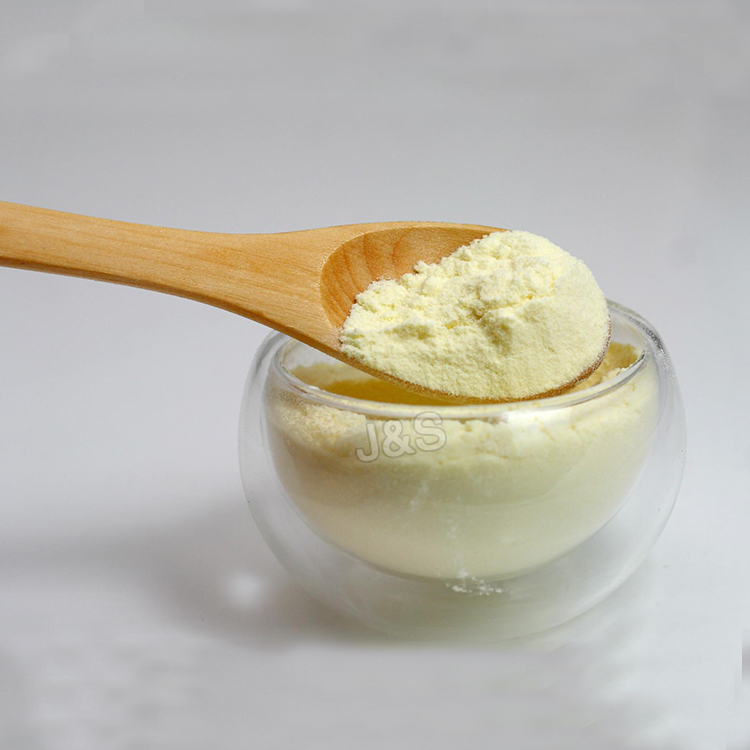
[Appearance] White powder
[Melting point] 134-142℃
[Particle size] 80Mesh
[Loss on drying] ≤2.0%
[Heavy Metal] ≤10PPM
[Storage] Store in cool & dry area, keep away from the direct light and heat.
[Shelf life] 24 Months
[Package] Packed in paper-drums and two plastic-bags inside.
[Net weight] 25kgs/drum
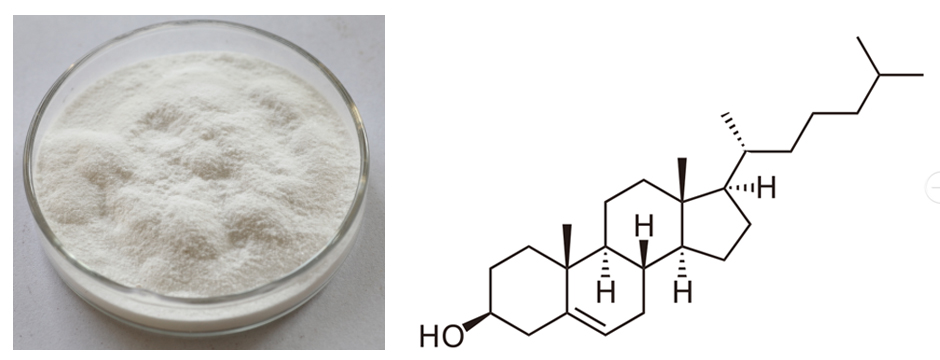
[What is Phytosterol?]
Phytosterols are compounds found in plants that resemble cholesterol. The National Institutes of Heath report that there are over 200 different phytosterols, and the highest concentrations of phytosterols are found naturally in vegetable oils, beans and nuts. Their benefits are so recognized that foods are being fortified with phytosterols. At the supermarket, you may see orange juice or margarine advertising phytosterol contents. After reviewing the health benefits, you may want to add phytosterol-rich foods to your diet.
[Benefits]
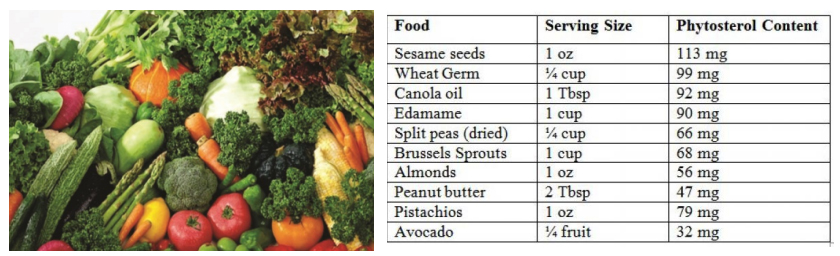
Cholesterol-Lowering Benefits
The most well-known, and scientifically proven, benefit of phytosterols is their ability to help lower cholesterol. A phytosterol is a plant compound that is similar to cholesterol. A study in the 2002 issue of “Annual Review of Nutrition” explains that phytosterols actually compete for absorption with cholesterol in the digestive tract. While they prevent the absorption of regular dietary cholesterol, they themselves are not easily absorbed, which leads to a total lower cholesterol level. The cholesterol-lowering benefit does not end with a good number on your blood work report. Having lower cholesterol leads to other benefits, such as a reduced risk for heart disease, stroke and heart attacks.
Cancer Protection Benefits
Phytosterols have also been found to help protect against the development of cancer. The July 2009 issue of the” European Journal of Clinical Nutrition” offers encouraging news in the fight against cancer. Researchers at the University of Manitoba in Canada report that there is evidence that phytosterols help prevent ovarian, breast, stomach and lung cancer. Phytosterols do this by preventing the production of cancer cells, stopping the growth and spread of cells that are already in existence and actually encouraging the death of cancer cells. Their high anti-oxidant levels are believed to be one way phytosterols help fight cancer. An anti-oxidant is a compound that fights free radical damage, which is negative effects on the body produced by cells that are unhealthy.
Skin Protection Benefits
A lesser known benefit of phytosterols involves skin care. One of the contributing factors in the aging of the skin is the breakdown and loss of collagen — the main component in connective skin tissue — and sun exposure is a major contributor to the problem. As the body ages, it is not able to produce collagen as it once did. The German medical journal “Der Hautarzt” reports a study in which various topical preparations were tested on skin for 10 days. The topical treatment that showed anti-aging benefits to the skin was the one that contained phytosterols and other natural fats. It is reported that phytosterols not only stopped the slow-down of collagen production that can be caused by the sun, it actually encouraged new collagen production.
Product detail pictures:
Related Product Guide:
We're commitment to offer you the aggressive cost ,superb products and solutions top quality, too as fast delivery for Low MOQ for Phytosterol in Roman , The product will supply to all over the world, such as: Thailand, Israel, Provence, Being guided by customer demands, aiming at improving the efficiency and quality of customer service, we constantly improve products and provide more comprehensive services. We sincerely welcome friends to negotiate business and start cooperation with us. We hope to join hands with friends in different industries to create a brilliant future.
Joseph trying new OPC-3 chews for the first time https://bit.ly/kidsvitamins
https://www.my-personaltrainer.it/Tv/Ricette/Dolci_Dessert/torta-mele-senza-zuccheri-aggiunti.html
Ingredienti Ricetta
Per l’impasto
600 g di mele
60 g (1 medio) di uova
50 g di stevia ed eritritolo o un altro tipo di dolcificante
100 g di farina bianca di tipo 00
100 g di farina integrale
Succo e scorza di limone non trattato
100 g di uvetta sultanina
20 g di pinoli
150 ml di latte
1 pizzico di cannella
1 pizzico di sale
60 ml di olio di semi di mais
10 g di lievito per dolci
Per la copertura
20 g di farina di mais gialla
200 g di mele
10 g di stevia ed eritritolo o un altro tipo di dolcificante
Preparazione Torta di Mele Senza Zuccheri Aggiunti
1. Per prima cosa, ammorbidire l’uvetta in acqua tiepida.
2. Sbucciare le mele, tagliarle in quattro parti e rimuovere il picciolo. Tagliare poi la polpa di mele a dadini. Man mano che si ottiene la dadolata, irrorare le mele con succo di limone per evitare l’ossidazione rapida.
3. In una padella, tostare i pinoli per 2-3 minuti: in questo modo, diventeranno più aromatici.
4. Preriscaldare il forno a 200°C (statico).
5. Scolare l’uvetta dall’acqua di ammollo.
6. In una ciotola, riunire la farina bianca e la farina integrale. Aggiungere i dadini di mela, i pinoli tostati, l’uvetta strizzata e la scorza grattugiata di limone. Aromatizzare con un cucchiaino di cannella in polvere, aggiungere un pizzico di sale e addolcire con il dolcificante stevia ed eritritolo.
Dolcificante stevia ed eritritolo: di che si tratta?
La stevia (Stevia rebudiana) è una pianta perenne da sempre apprezzata per le sue straordinarie capacità dolcificanti. Non a caso, la stevia è battezzata anche con il nome di “erba dolce o erba del miele”: infatti, le sue foglie sono ricchissime di componenti glucosidici (es. stevioside) dal potere edulcorante che arriva talvolta a superare di 300 volte la dolcezza del saccarosio. Possiede anche proprietà ipoglicemizzanti e si può definire una sostanza acariogena.
L’eritritolo è un dolcificante innovativo appartenente alla categoria dei polioli. È una sostanza naturalmente presente nella frutta e nei cibi fermentati (ma viene prodotto anche industrialmente per fermentazione batterica degli zuccheri) e possiede un indice glicemico pari a zero. Inoltre, questo particolare dolcificante apporta solo 0.2 Kcal/g ed ha un potere dolcificante di circa il 70% rispetto allo zucchero classico.
Entrambe le sostanze dolcificanti sono stabili al calore e non caramellano in cottura!
1 g di questa polvere dolcificante è in grado di apportare la stessa dolcezza fornita da 2 g di saccarosio, con un risparmio calorico che sfiora il 100%!
7. Setacciare il lievito ed unirlo al resto degli ingredienti.
8. Aggiungere l’uovo, l’olio di semi ed il latte, dunque amalgamare tutti gli ingredienti fino a formare una pastella.
Chi è allergico alle uova…
È possibile replicare il dolce evitando di utilizzare le uova. In questo caso, si consiglia di utilizzare 60 g di yogurt bianco.
Per la versione vegana, è possibile sostituire l’uovo con 60 g di yogurt di soia ed il latte con una stessa quantità di latte vegetale a piacere.
9. Foderare una teglia quadrata dal lato di 22 cm con la carta da forno. Versare l’impasto all’interno della teglia.
10. Sbucciare la mela rimanente e tagliarla a fettine sottili. Incastrare le fettine di mela sulla superficie dell’impasto, ultimare con un cucchiaino di dolcificante ed un cucchiaino di farina di mais (per gratinare).
11. Cuocere il dolce a 200°C per 40 minuti circa, o fino a quando la superficie sarà dorata.
12. Rimuovere la torta dal forno, lasciare intiepidire, tagliare a fette e servire.
************
Segui le Video Ricette di Alice su MypersonaltrainerTv: https://www.my-personaltrainer.it/Tv/Ricette/
Segui le Ricette di Alice su Facebook: https://www.facebook.com/RicettediAlice
 By Alma from Costa Rica - 2018.11.06 10:04
As a veteran of this industry, we can say that the company can be a leader in the industry, select them is right.
By Mavis from Paris - 2018.05.22 12:13