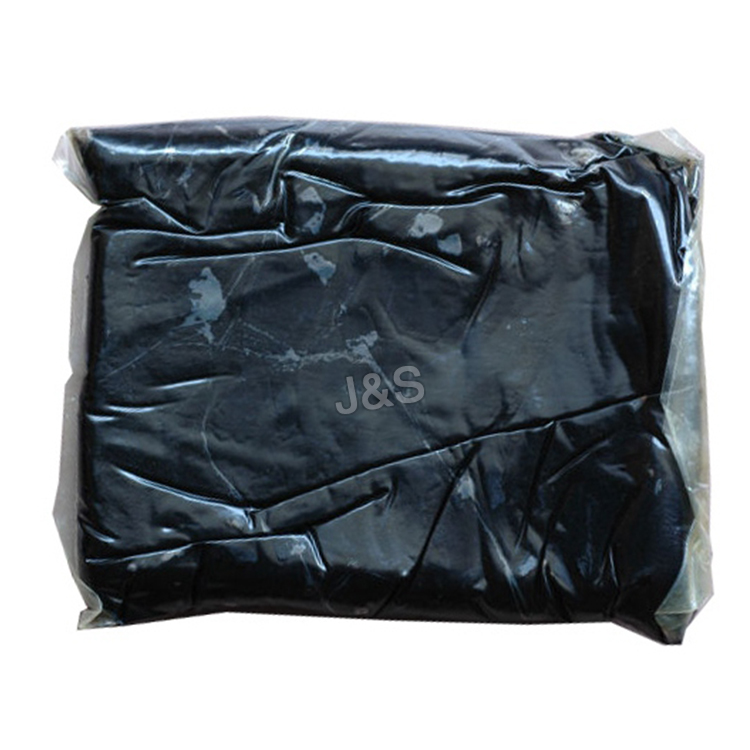
Lowest Price for Propolis block Factory in Philippines
Lowest Price for Propolis block Factory in Philippines Detail:
[Products Name] Propolis block, pure propolis, raw propolis
[Specification] Propolis content 90%,95%
[Gerneral feature]
1. Low antibiotics
2. Low PAHs, can approve to 76/769/EEC/German:LMBG;
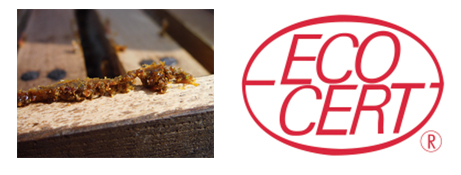
3. certified by, according to EOS & NOP standard;
4.Pure natural propolis;
5.High content of flavones;
6.Low temperature extracted, retain high activity of all nutritions;
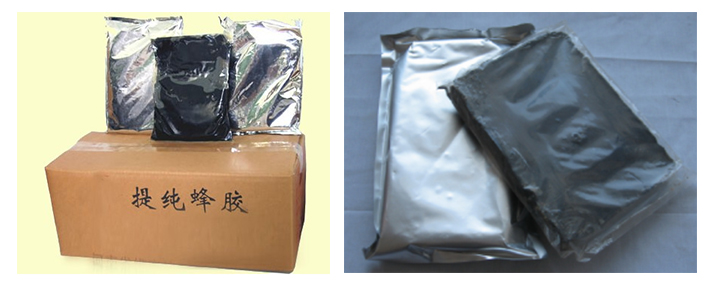
[Packaging]
1. 1kg/aluminum foil bag, 20kgs/carton.
[How to get it]
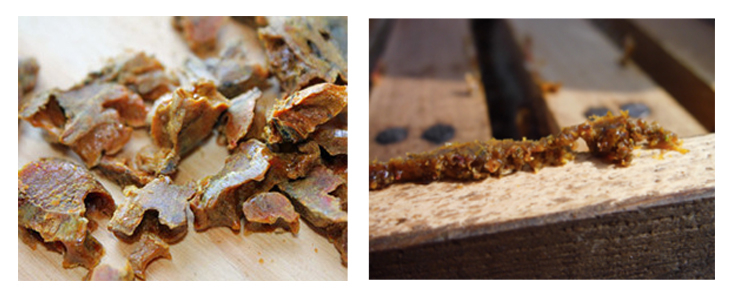
First, we collect raw propolis from beehives, then extract by low temperature with ethanol. Filter and concentrate, we get the pure propolis block at 90% to 95%.
[Introduction]
Propolis comes from the substance like natural resin, which is collected by the bees from exudates of plants branches and bud the chemical substances of Propolis are found to be various, such as beeswax, resin, incense lipids, aromatic oil, fat-soluble oils, pollen and other matter. Studies have shown that the source of propolis resin in material has three types: bees collected plants secreted fluid, secretion in vivo metabolism of bee, and involvement in the process of forming the material.
We can supply Propolis Extract with food-grade and medicine-grade .The raw materiall is came from non-polluting food grade propolis .Propolis extract was made of high-grade propolis. It maintains the propolis effective ingredients during the procedure of extraction under constant low temperature , taking off the useless substances and sterilization.
[Function]
Propolis is a natural product processed by bees mixed with glutinous and its secretion.
Propolis contains more than 20 kinds of useful flavonoids, rich vitamins, enzymes, amino acids and other microelements, etc. Propolis is called “purple gold” owing to its valued nutrients.
Propolis can remove free radical, lower blood sugar and blood fat, soften blood vessels, improve micro-circulation, enhance immunity, anti-bacteria and anti-cancer.
Product detail pictures:
Related Product Guide:
Our enterprise since its inception, often regards solution excellent as enterprise life, continually strengthen output technology, enhance product high quality and continually strengthen organization total high-quality administration, in strict accordance using the national standard ISO 9001:2000 for Lowest Price for Propolis block Factory in Philippines , The product will supply to all over the world, such as: Bahrain, San Francisco, Comoros, Till now, the items list has been updated regularly and attracted clients from around the globe. Comprehensive facts is often obtained in our web-site and you'll be served with premium quality consultant service by our after-sale group. They are likely to help you get thorough acknowledge about our goods and make a satisfied negotiation. Company go to to our factory in Brazil is also welcome at any time. Hope to obtain your inquiries for any pleased co-operation.
https://davesmith.ludaxx.com
https://www.davegsmith.com/
https://bluelineproducts.com/
How it Works for Diet using Sugar Blocker in this area Mobile
Why it Works for
F21 is an All Natural Sugar Blocker that assists restrict your blood sugar level absorption. It includes different substances discovered to have various wellness perks, such as L-Arabinose, Coriolus Versicolor Polysacchride, Konjac-Mannan, Magnesium Stearate, Mint taste: Menthol and Natural Colors. F21 not just does it assist advertise weight-loss, (PSK) enhances your immune system feedback. In fact, for each gram of F21, you can block approximately 20 grams of sugar (sucrose). The formula not just assists advertise weight-loss, it benefits the intestinal system by permitting the obstructed sucrose to sustain helpful probiotic germs while the polysaccharide (PSK) enhances your immune system feedback.
DG Smith https://www.davegsmith.com/
diabetes care :
00:00:05 sugar cravings
00:00:12 safe appetite suppressant
00:00:19 F21 Sugar Blocker
00:00:27 Weigh tloss
00:00:34 Fitness
Wrinkles. No botox If interested click on link….note bottle I have is for Doctors office ( i bring customized healthy solutions to physicians) but this is the same product that you can buy. https://www.isotonix.com/vitamins2drink/product/isotonix-opc-3-beauty-blend/?id=2252&idType=product
 By Daniel Coppin from Madrid - 2018.11.28 16:25
This company has a lot of ready-made options to choose and also could custom new program according to our demand, which is very nice to meet our needs.
By Jo from Qatar - 2018.06.18 19:26