Manufacturer of Green tea extract in Norway
Manufacturer of Green tea extract in Norway Detail:
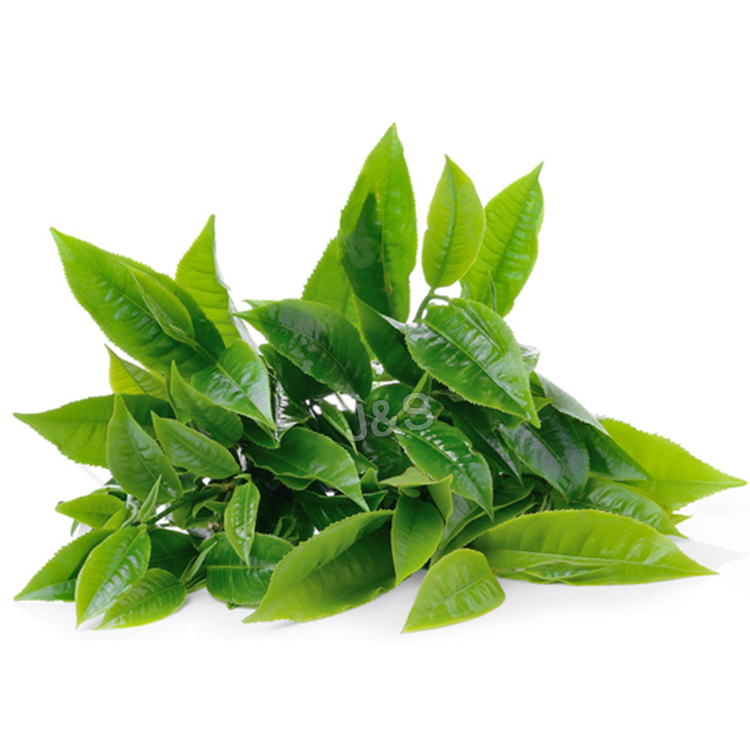
[Latin Name] Camellia sinensis
[Plant Source] China
[Specifications]
Total tea polyphenols 40%-98%
Total catechins 20%-90%
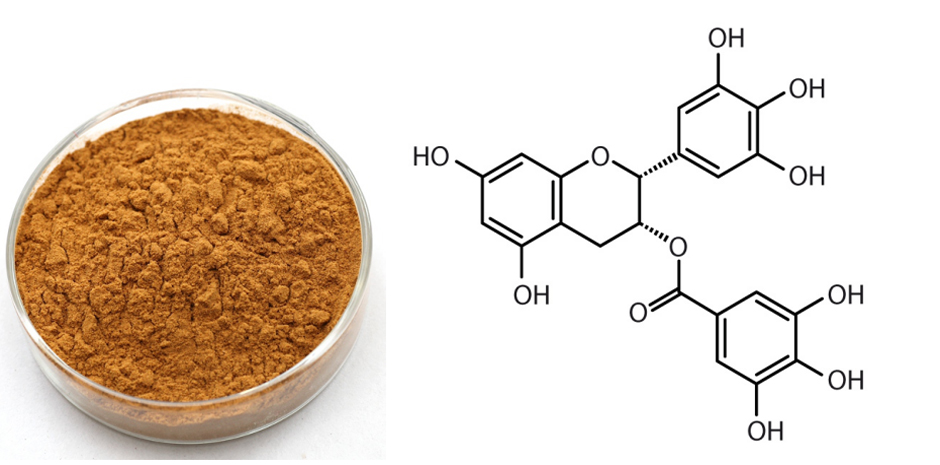
EGCG 8%-60%
[Appearance] Yellow brown powder
[Plant Part Used] Green tea leaf
[Particle size] 80 Mesh
[Loss on drying] ≤5.0%
[Heavy Metal] ≤10PPM
[Storage] Store in cool & dry area, keep away from the direct light and heat.
[Package] Packed in paper-drums and two plastic-bags inside.
[What is green tea extract]
Green tea is the second largest beverage demanded by consumers worldwide. Used in China and India for its medicinal effects. There are several compounds extracted from green tea including catechins which contain an enormous amount of hydroxyphenols that are easily oxidized, congregated and contracted, which explains its good anti-oxidation effect. Its anti-oxidation effect is 25-100 times as strong as those of vitamin C and E.
It is widely used in medicines, agriculture, and chemical and food industries. This extract prevents cardio-vascular disease, lowers the risk of cancer, and decreases blood sugar and blood pressure, as well as viruses. In the food industry, the anti-oxidation agent used for preserving food and cooking oils.
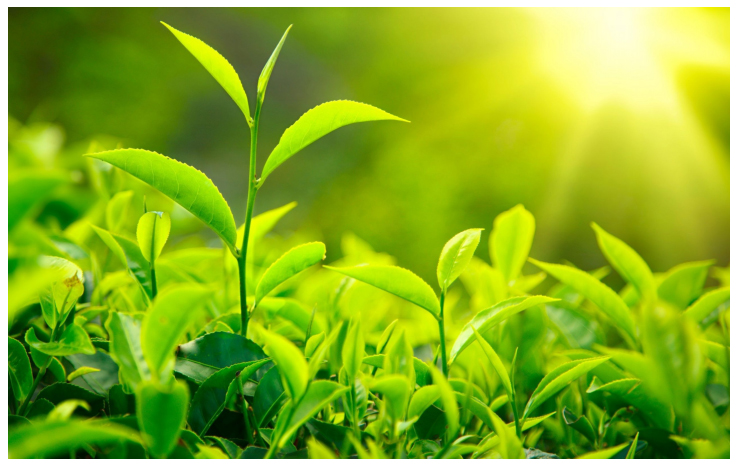
[Function]
1. Green tea extract can reduce blood pressure, blood sugar, blood lipids.
2. Green tea extract has the function of removing radicals and anti-aging.
3. Green tea extract can enhance the immune function and prevention of colds.
4. Green tea extract will anti-radiation,anti-cancer, inhibiting the increasing of cancer cell.
5. Green tea extract used to anti-bacterium, with the function of sterilization and deodorization.
[Application]
1.Applied in cosmetics field, Green tea extract owns the effect of anti-wrinkle and anti-Aging.
2.Applied in food field, Green tea extract is used as natural antioxidant, antistaling agent, and anti-fading agents.
3.Applied in pharmaceutical field, Green tea extract is used to prevent and cure cardiovascular disease, diabetes.
Product detail pictures:
Related Product Guide:
We keep on with our enterprise spirit of "Quality, Efficiency, Innovation and Integrity". We intention to create extra worth for our buyers with our prosperous resources, superior machinery, experienced workers and superb services for Manufacturer of Green tea extract in Norway , The product will supply to all over the world, such as: Bangladesh, Belize, Zambia, We are eager to cooperate with foreign companies which care much on the real quality, stable supply, strong capability and good service. We can offer the most competitive price with high quality,because we are much MORE PROFESSIONAL. You are welcomed to visit our company at any time.
This video describes about the polysaccharides, these are long chains of sugars. They are threads containing different monosaccharides as building blocks. Cellulose, starch and glycogen are differnt forms of polysaccharides.
Why wait Order now :
https://myrainoffice.com/enroll/self_enroll_pc.php?sponsor=125969
Information :
www.rainsoul2u.com
call & delivery +6013-373 0101
https://www.myrainlife.com/johnnylee
https://www.facebook.com/rainsoul2u
What is Rain Soul ?
Rain Soul Powerful Antioxidants & Essential Fatty Acids to energize, revitalize, detoxify your mind, body & soul. Black cumin seed, Black raspberry seed, Grape seed, Ribose-D, Resveratrol.
富 含 抗 氧 化, 人 体 内 必 需 脂 肪 酸, 帮 助 人 脑 和 身 体 排 毒. 古 书 记 载 黑 小 茴 香 除 了 无 法 起 死 回 生, 种 籽 可 做 为 每 种 疾 病 的 治 疗 药 物.
Dr Otto Heinrich Warburg (Germany)
Nobel Prize in Medicine 1931 : Biochemist
The body requires special fats that, among other important functions. make it possible for sufficient oxygen to reach the cells via the cellular membranes. Which are the key, These special fats are highly oxygen-absorbing. Called Essential Fatty Acids, or EFAs, these special fats must be supplied from outside the body every day.
Black raspberry seed :
Contain antioxidant-like phytonutrients including ellagitannins and anthocyanins. These may help fight viruses, inflammation, and a number of other serious health conditions. Antioxidants seek out and eliminate cell-damaging substances, called free radicals. Free radicals can occur naturally in the body or from exposure to environmental toxins. Although ellagitannins exist in most berries, raspberries contain the the most potent levels.
Black raspberry seed :
Contain antioxidant-like phytonutrients including ellagitannins and anthocyanins. These may help fight viruses, inflammation, and a number of other serious health conditions. Antioxidants seek out and eliminate cell-damaging substances, called free radicals. Free radicals can occur naturally in the body or from exposure to environmental toxins. Although ellagitannins exist in most berries, raspberries contain the the most potent levels.
Grape seed :
Grape seeds have an abundant source of flavonoids called proanthocyanidins. This is important for brain health due to their free radical-quenching antioxidant and collagen-protecting effects. Proanthocyanidins have also been shown to noticeably delay the onset of lipid peroxidation and to effectively chelate iron ions. Free iron ions are some of the most powerful promoters of lipid peroxide, hydrogen peroxide and hydroxyl radical production. This is a major contributor to the pathogenesis of Parkinsons disease, one of the most common neurological diseases in older individuals.
Ribose-D :
Ribose-D is a five-carbon sugar found in every cell in our bodies that combines with oxygen and ATP (adenosine triphoshate) to give energy to each cell. Ribose is also present in RNA (ribonucleic acid), which is one of the main information carriers of living organisms. Oxidative stress, as measured by free radical damage to cells, leads to systematic inflammation. Fortunately, our bodies handle this problem daily. However, if our bodies experience an abnormal increase in free radicals due to exercise, daily stress, excess smoking, excess saturated fat intake, depressed immune system, aging, etc., the body becomes fatigued and less efficient in producing Ribose-D to replenish cellular energy. Because of this, we need to supplement with Ribose-D in order to regenerate the cells energy system.
Grape Extracts Resveratrol :
Grape skin extract contains trans-resveratrol which is considered a natural antibiotic that can fight bacterial diseases. Resveratrol may help protect the body from various diseases and slowing down the aging process.
BUY NOW RAIN SOUL :
Rain International . rain soul Asia . rain soul North America . rain soul Canada . rain soul United States . rain soul USA . rain soul Europe . rain soul Germany . rain soul United Kingdom . rain soul Croatia . rain soul Hungary . rain soul Romania . rain soul Serbia . rain soul Slovakia . rain soul Asia . rain soul China . rain soul Hong Kong . rain soul Indonesia . rain soul Japan . rain soul Malaysia . rain soul Philippines . rain soul Singapore . rain soul Brunei . rain soul Taiwan . rain soul Thailand . rain soul Shanghai
BUY NOW RAIN CORE :
Rain International . rain core Asia . rain core North America . rain core Canada . rain core United States . rain core USA . rain core Europe . rain core Germany . rain core United Kingdom . rain core Croatia . rain core Hungary . rain core Romania . rain core Serbia . rain core Slovakia . rain core Asia . rain core China . rain core Hong Kong . rain core Indonesia . rain core Japan . rain core Malaysia . rain core Philippines . rain core Singapore . rain core Brunei . rain core Taiwan . rain core Thailand . rain core Shanghai
How to order rain soul . how to buy rain soul . buy rain soul . rain nutrition . rain soul how to buy . be a rain soul distributor .
God is Good & Great…!!!
Jesus Bless You & Love You…!!!
 By Helen from Georgia - 2018.10.09 19:07
The customer service staff's answer is very meticulous, the most important is that the product quality is very good, and packaged carefully, shipped quickly!
By Janet from Qatar - 2017.03.08 14:45