New Arrival China Ginger Root Extract in Frankfurt
New Arrival China Ginger Root Extract in Frankfurt Detail:
[Latin Name] Zingiber Officinalis
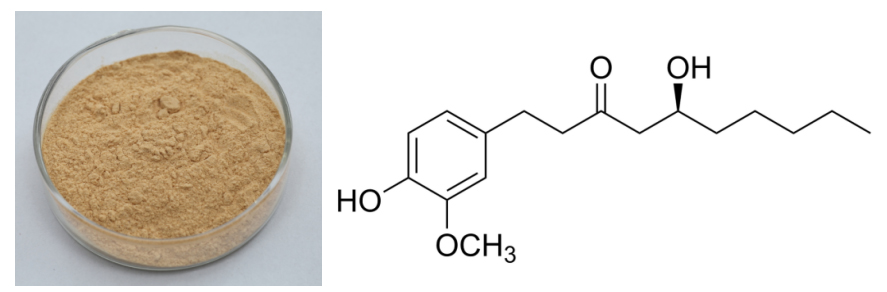
[Specification] Gingerols 5.0%
[Appearance] Light yellow powder
Plant Part Used: Root
[Particle size] 80Mesh
[Loss on drying] ≤5.0%
[Heavy Metal] ≤10PPM
[Storage] Store in cool & dry area, keep away from the direct light and heat.
[Shelf life] 24 Months
[Package] Packed in paper-drums and two plastic-bags inside.
[Net weight] 25kgs/drum
[What is ginger?]
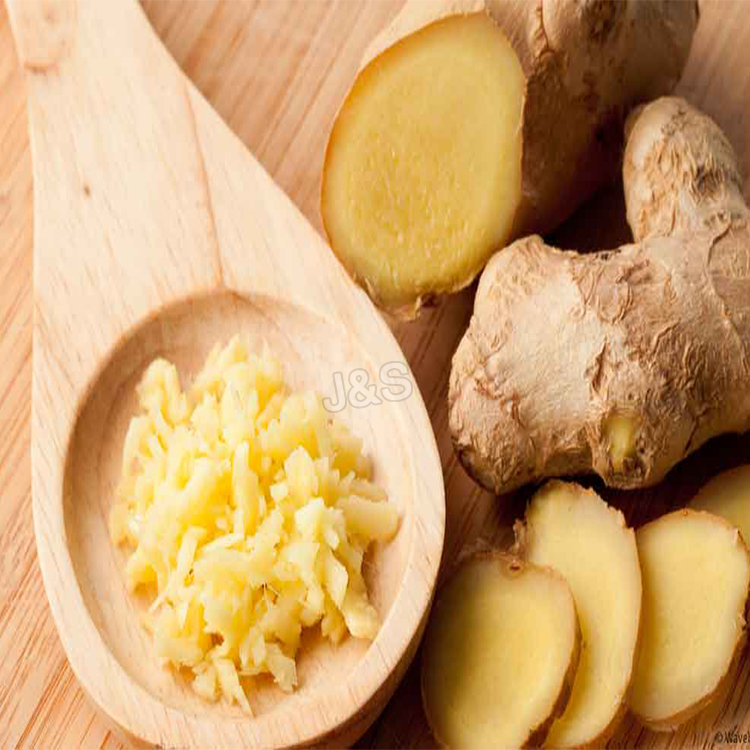
Ginger is a plant with leafy stems and yellowish green flowers. The ginger spice comes from the roots of the plant. Ginger is native to warmer parts of Asia, such as China, Japan, and India, but now is grown in parts of South American and Africa. It is also now grown in the Middle East to use as medicine and with food.
[How does it work?]
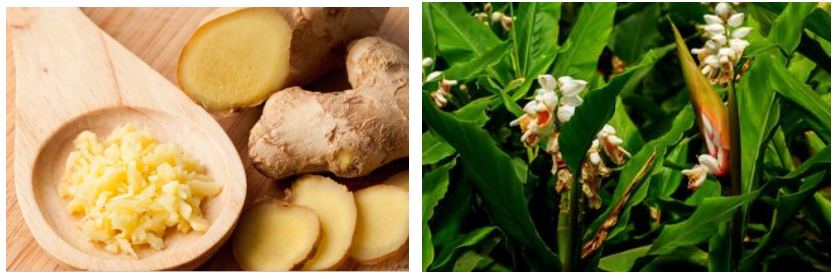
Ginger contains chemicals that may reduce nausea and inflammation. Researchers believe the chemicals work primarily in the stomach and intestines, but they may also work in the brain and nervous system to control nausea.
[Function]
Ginger is among the healthiest (and most delicious) spices on the planet.It is loaded with nutrients and bioactive compounds that have powerful benefits for your body and brain.Here are 11 health benefits of ginger that are supported by scientific research.
- Ginger Contains Gingerol, a Substance With Powerful Medicinal Properties
- Ginger Can Treat Many Forms of Nausea, Especially Morning Sickness
- Ginger May Reduce Muscle Pain and Soreness
- The Anti-Inflammatory Effects Can Help With Osteoarthritis
- Ginger May Drastically Lower Blood Sugars and Improve Heart Disease Risk Factors
- Ginger Can Help Treat Chronic Indigestion
- Ginger Powder May Significantly Reduce Menstrual Pain
- Ginger May Lower Cholesterol Levels
- Ginger Contains a Substance That May Help Prevent Cancer
- Ginger May Improve Brain Function and Protect Against Alzheimer’s Disease
- The Active Ingredient in Ginger Can Help Fight Infections
Product detail pictures:
Related Product Guide:
We continuously execute our spirit of ''Innovation bringing development, Highly-quality ensuring subsistence, Management advertising and marketing gain, Credit history attracting buyers for New Arrival China Ginger Root Extract in Frankfurt , The product will supply to all over the world, such as: Qatar, Amman, Serbia, With excellent products, high quality service and sincere attitude of service, we ensure customer satisfaction and help customers create value for mutual benefit and create a win-win situation. Welcome customers all over the world to contact us or visit our company. We will satisfy you with our professional service!
This video describes about male libido enhancement pills help increase sexual stamina and power naturally. You can find more details about Kamdeepak capsules at https://www.ayushremedies.com
https://livesuperfoods.com/live-superfoods-wheatgrass-juice-powder.html Wheatgrass contains 19 amino acids, 30 enzymes and 92 minerals, with more vitamin C than oranges and more vitamin A than carrots. It’s truly king of all green elixirs.
Raw Wheatgrass Juice Powder
Wheatgrass can help increase red blood-cell count, cleanse and alkanilize the body, lower blood pressure and stimulate the metabolism and immune system.
Our product is made up of pure wheatgrass juice powder harvested from 14 day-old plants at the peak of freshness. Additionally, the wheatgrass juice powder is an important distinction, when compared with just wheatgrass powder, because the nutrients are more concentrated and easily assessable.
How to enjoy it
Think of it as your daily green multivitamin… a little goes a long way and it’s inexpensive to boot. Simply mix 1 tablespoon into cold filtered water, a protein shake or smoothie. You can also sprinkle on salads and soups.
 By Rigoberto Boler from Bangalore - 2018.09.21 11:01
The company leader recept us warmly, through a meticulous and thorough discussion, we signed a purchase order. Hope to cooperate smoothly
By Fay from India - 2018.12.22 12:52