Popular Design for Andrographis Extract Factory in Mumbai
Popular Design for Andrographis Extract Factory in Mumbai Detail:
[Latin Name] Andrographis paniculata(Burm.f.)Nees
[Plant Source] Whole herb
[Specification] Andrographolides 10%-98% HPLC
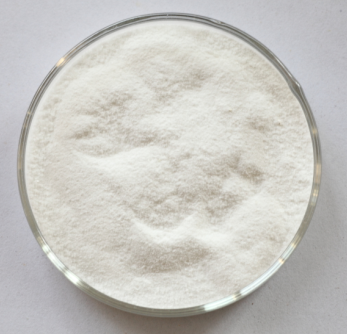
[Appearance] White powder
Plant Part Used: Herb
[Particle size] 80Mesh
[Loss on drying] ≤5.0%
[Heavy Metal] ≤10PPM
[Storage] Store in cool & dry area, keep away from the direct light and heat.
[Shelf life] 24 Months
[Package] Packed in paper-drums and two plastic-bags inside.
[Net weight] 25kgs/drum
[What is Andrographis?]
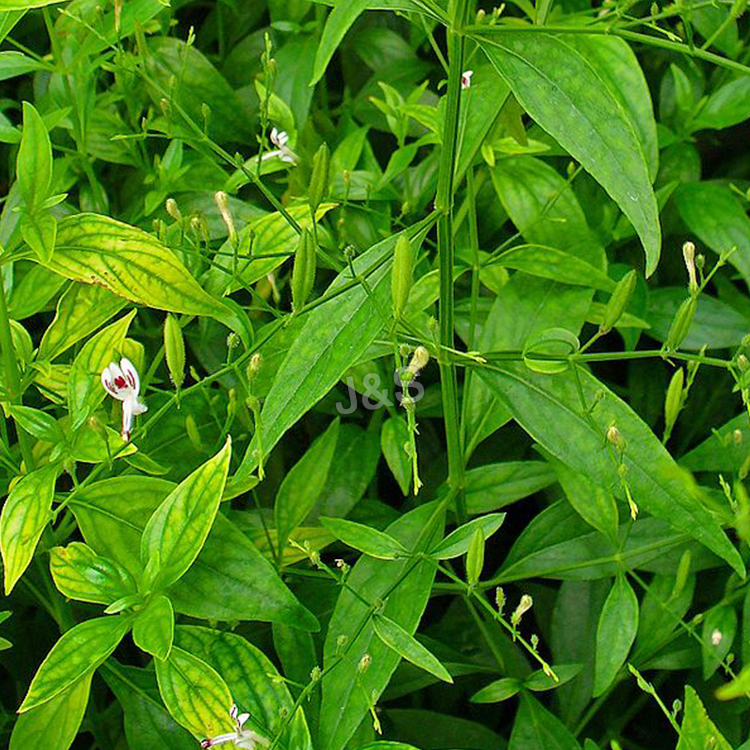
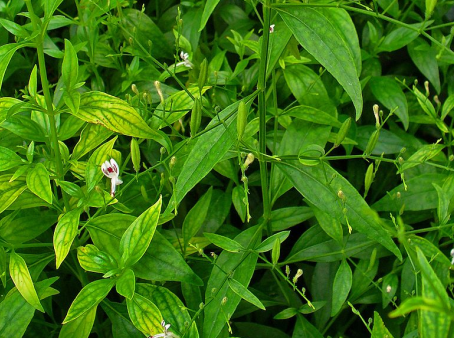
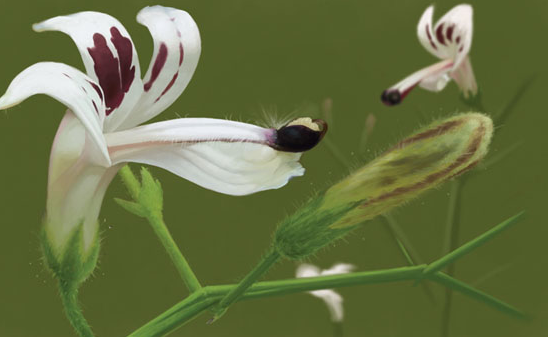
Andrographis paniculata is a bitter tasting annual plant, referred to as the “King of Bitters.” It has white-purple flowers and it is native to Asia and India where it has been valued for centuries for its numerous medicinal benefits. Over the past decade, andrographis has become popular in America where it is often used alone and in combination with other herbs for a variety of health purposes.
[How does it work?]
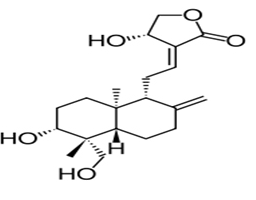
According to Memorial Sloan-Kettering Cancer Center, the active ingredient in andrographis is andrographolides. Due to the andrographolides, andrographis has potent anti-inflammatory and antimalarial properties. It also has antimicrobial properties, meaning it can help to fight off and prevent infections from harmful microorganisms such as viruses, bacteria and fungi. In addition, andrographis is a powerful antioxidant and it can help to prevent free radical induced damage to your cells and DNA
[Function]
Cold and Flu
Scientists have discovered that andrographis helps to boost the immune system by stimulating the body’s production of antibodies and macrophages, which are large white blood cells that scavenge harmful microorganisms. It is taken for both the prevention and treatment of the common cold, and it is often referred to as Indian echinacea. It might help lessen the severity of cold symptoms such as sleeplessness, fever, nasal drainage and sore throat.
Cancer, Viral Infections and Heart Health
Andrographis may also help to prevent and treat cancer, and preliminary studies done in test tubes found that extracts of andrographis help to treat stomach, skin, prostate and breast cancer. Due to the herb’s antiviral properties, andrographis is used to treat herpes and it is also currently being studied as a treatment for Aids and HIV as well. Andrographis also promotes heart health and can help to prevent the formation of blood clots as well as to dissolve already formed blood clots. In addition, the herb relaxes smooth muscles in the walls of blood vessels and thereby helps to reduce high blood pressure.
Additional Benefits
Andrographis is used to promote gallbladder and digestive health. It also helps to support and strengthen the liver and it is used in combination with other herbs in several Ayurvedic formulations to treat liver disorders. Finally, andrographis extracts taken orally have been found to help neutralize the poisonous effects of snake venom.
Dosage and Precautions
The therapeutic dose of andrographis is 400 mg, twice daily, for up to 10 days. Although andrographis is considered safe in humans, the NYU Langone Medical Center warns that animal studies suggest that it may impair fertility. Andrographis may cause unwanted side effects such as headaches, fatigue, allergic reactions, nausea, diarrhea, altered taste and pain in the lymph nodes. It may also interact with certain medications and as with any supplement you should consult your health care practitioner before taking the herb.
Product detail pictures:
Related Product Guide:
Our items are commonly identified and trusted by customers and may fulfill continuously switching economic and social wants of Popular Design for Andrographis Extract Factory in Mumbai , The product will supply to all over the world, such as: United States, Tunisia, Doha, We will supply much better products with diversified designs and professional services. At the same time, welcome OEM, ODM orders, invite friends at home and abroad together common development and achieve win-win, integrity innovation, and expand business opportunities! If you have any question or need more information please feel free to contact us. We are looking forward to receiving your enquiries soon.
OPC3 is a phenomenal product, a natural supplement that will get more people off medications and give them a better quality of life when taken consistently. This is a reward in its own… People helping people. “I’m happier today than I was yesterday… I hope I can do the same for your tomorrows”. www.Instagram.com/JasonMichaelNyc
Trà Xanh và Nấm Linh Chi là hai dược liệu quí trong tự nhiên giúp ngăn chặn tế bào ung thư, mà không làm tổn hại đến các tế bào lành.
Đây là một trong các video phóng sự được làm tại Đài Loan, ghi nhận các trường hợp thực tế đã điều trị thành công bệnh Ung thư bằng cách kết hợp các phương pháp hiện có với Cao Khô Linh Chi Đỏ Reishimax & Chiết Xuất Trà Xanh Tegreen’97.
Bạn hãy chia sẻ cho thật nhiều người biết để giúp họ hoặc người thân có thêm phương pháp thiết thực thoát khỏi căn bệnh quái ác này nhé.
Để biết thêm chi tiết về cơ chế tác dụng xin vui lòng liên hệ qua email songtresongkhoe@gmail.com
More and more proofs of EGCG in green tea and Polysacchride in Lingzhi help killing maglinent cells but protect healthy cells.
This is one of video reports from Taiwan, about successful testimonials of different type cancer patients who applied a combine treatment of current oncology plus high concentrate red Ganoderma Lucidum mushroom (Reishimax) and green tea high concentrate (Tegreen’97)
Please share to more friends and beloves to help them get rid of this devil disease
For more details on treatment and dosage please contact through email songtresongkhoe@gmail.com
 By Carol from Marseille - 2018.03.03 13:09
This company has the idea of "better quality, lower processing costs, prices are more reasonable", so they have competitive product quality and price, that's the main reason we chose to cooperate.
By Philipppa from Ukraine - 2017.08.15 12:36