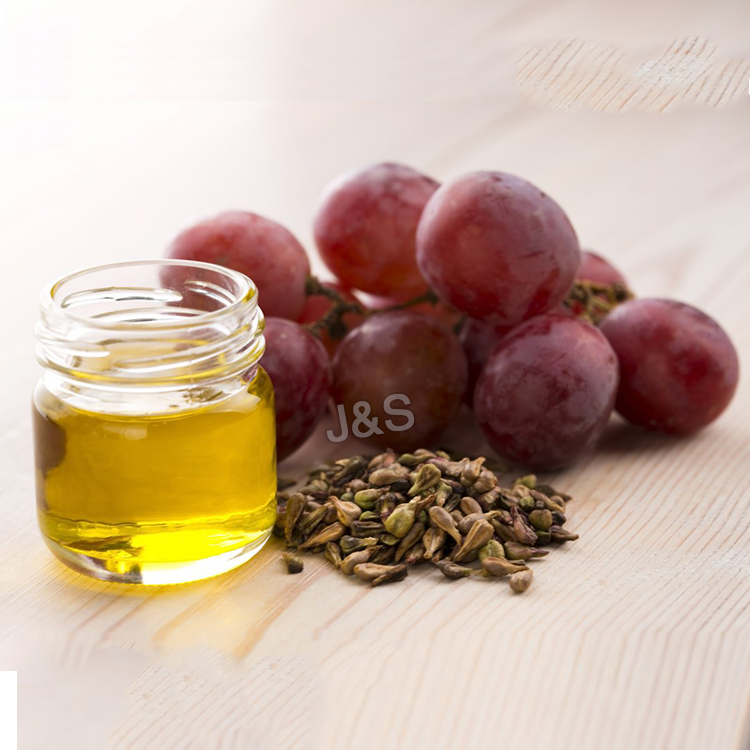
Professional Design Grape seed extract Wholesale to Malawi
Professional Design Grape seed extract Wholesale to Malawi Detail:
[Latin Name] Vitis vinifera Linn
[Plant Source] Grape seed from Europe
[Specifications] 95%OPCs;45-90% polyphenols
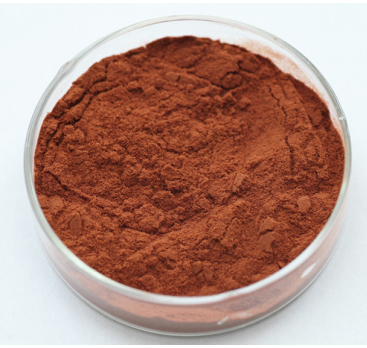
[Appearance] Red brown powder
[Plant Part Used]: seed
[Particle size] 80 Mesh
[Loss on drying] ≤5.0%
[Heavy Metal] ≤10PPM
[Pesticide residue] EC396-2005, USP 34, EP 8.0, FDA
[Storage] Store in cool & dry area, keep away from the direct light and heat.
[Shelf life] 24 Months
[Package] Packed in paper-drums and two plastic-bags inside.
[Gerneral feature]
- Our product has passed the ID test by ChromaDex, Alkemist Lab. and other
third-party authoritative testing institutions, such as detection;
2. The pesticide residues match (EC) No 396/2005 USP34, EP8.0, FDA and other foreign pharmacopoeia standards and regulations;
3. The heavy metals in strict accordance with the foreign pharmacopoeia standard controls, such as USP34, EP8.0, FDA, etc.;
4. Our company set up a branch and import raw materials directly from Europe with strict control of heavy metal and pesticide residue. Aslo ensure the procyanidins content in grape seed is more than 8.0%.
5. OPCs over 95%, polyphenol over 70%, high activity, the oxidation resistance is strong, the ORAC more than 11000.
[Function]
Grapes (Vitis vinifera) have been heralded for their medicinal and nutritional value for thousands of years. Egyptians ate grapes a very long time back, and several ancient Greek philosophers spoke about the healing power of grapes — usually in the form of wine. European folk healers made an ointment from the sap of grapevines to treat skin and eye diseases. Grape leaves were used to stop bleeding, inflammation, and pain, such as the kind brought on by hemorrhoids. Unripe grapes were used to treat sore throats, and dried grapes (raisins) were used for constipation and thirst. Round, ripe, sweet grapes were used to treat a range of health problems including cancer, cholera, smallpox, nausea, eye infections, and skin, kidney, and liver diseases.
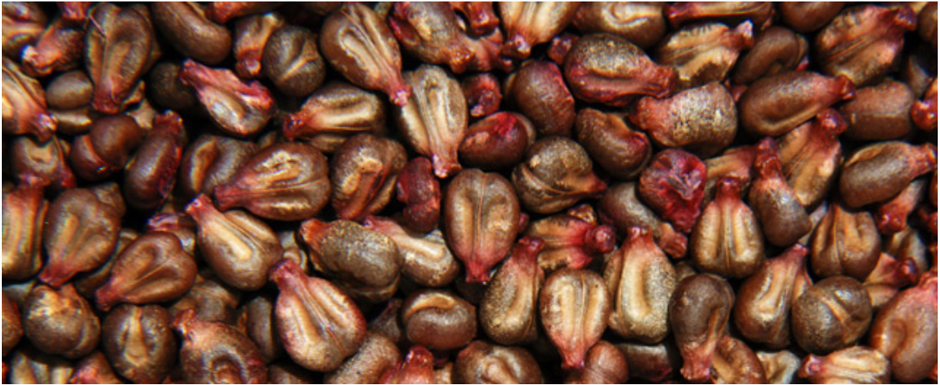
Grape seed extracts are industrial derivatives from whole grape seeds that have a great concentration of vitamin E, flavonoids, linoleic acid and phenolic OPCs. The typical commercial opportunity of extracting grape seed constituents has been for chemicals known as polyphenols having antioxidant activity in vitro.
Product detail pictures:
Related Product Guide:
We often stay with the principle "Quality Very first, Prestige Supreme". We have been fully committed to supplying our consumers with competitively priced high-quality goods, prompt delivery and skilled provider for Professional Design Grape seed extract Wholesale to Malawi , The product will supply to all over the world, such as: Canberra, Luxemburg, Sheffield, In the increasingly competitive market, With sincere service high quality products and well-deserved reputation, we always offer customers support on products and techniques to achieve long-term cooperation. Living by quality, development by credit is our eternal pursuit, We firmly believe that after your visit we will become long-term partners.
Why is the body so special? In this video we try to show you the importance of the body, mind and fitness in our lives.
SUBSCRIBE HERE FOR OUR LATEST TRAINING VIDEOS: ☞ https://goo.gl/qUytio ☜
➤ Subscribe our newsletter and get -10% DISCOUNT in our online store ☞ https://eepurl.com/cl1P8T ☜
➤ Use the code: YTPRZINR-10 and get -10% in our online store!
➤ WORKOUTS: https://goo.gl/BC2Lln
➤ COOKING SHOWS: https://goo.gl/AeDeZb
➤ SUPPLEMENT REVIEWS: https://goo.gl/duJAEy
Follow us for exclusive content and discounts:
➤ Blog: https://www.prozis.com/blog
➤ Facebook: https://www.facebook.com/Prozis
➤ Twitter: https://twitter.com/prozis
➤ Pinterest: https://www.pinterest.com/prozis/
➤ Instagram: https://instagram.com/prozis
Prozis is the biggest online sports nutrition store in Europe, offering a perfect online shopping experience every day to thousands of customers all over the world: https://prozis.com/lWD
This video shows you how to pronounce Diarylheptanoid
 By John from Bahrain - 2017.05.02 11:33
Factory equipment is advanced in the industry and the product is fine workmanship, moreover the price is very cheap, value for money!
By Lesley from venezuela - 2017.09.16 13:44