Quality Inspection for Grape Skin Extract Wholesale to Montpellier
Quality Inspection for Grape Skin Extract Wholesale to Montpellier Detail:
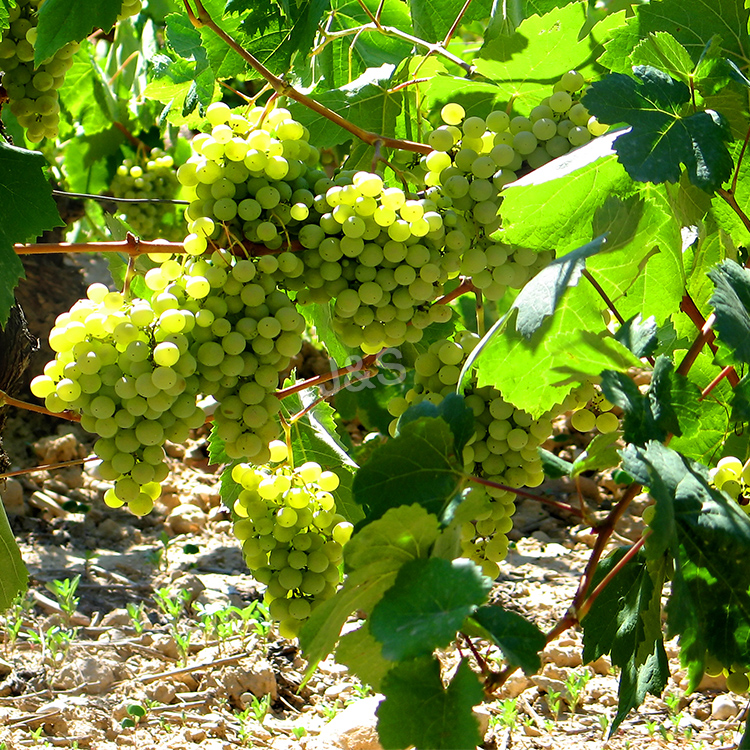
[Latin Name] Vitis vinifera L.
[Plant Source]from China
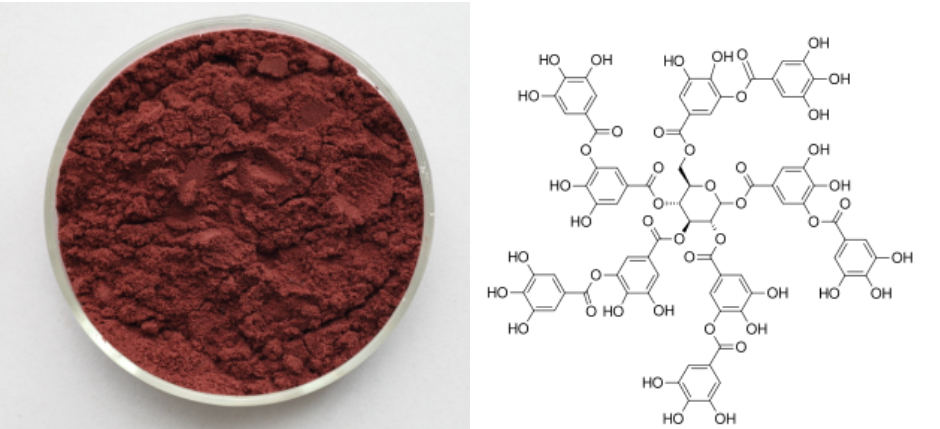
[Specifications]Proanthocyanidins polyphenol
[Appearance]Purple red fine powder
Plant Part Used:Skin
[Particle size] 80 Mesh
[Loss on drying] ≤5.0%
[Heavy Metal] ≤10PPM
[Pesticide residue] EC396-2005, USP 34, EP 8.0, FDA
[Shelf life] 24 Months
[Package] Packed in paper-drums and two plastic-bags inside.
[Net weight] 25kgs/drum
Function
1.Grape skin extract used to reduce cancer risk;
2.Grape skin extract has the useage of antioxidant activity;
3.Grape skin extract has anti-inflammatory, removal of swollen;
4.Grape skin extract can reduce the incidence of spots and cataracts;
5.Grape skin extract will reduced exercise-induced vascular sclerosis porridge;
6.Grape skin extract will strengthen the blood vessels the flexibility of the wall.
Application
1.Grape skin extract can be made into capsules, troche and granule as healthy food;
2.High quality grape skin extract has been widely added into the beverage and the wine, cosmetics as the functional content;
3. Grape skin extract is widely added into all kinds of foods such as cake, cheese as the nurture, natural antiseptic in Europe and USA, and it has increased the safety of the food.
What is Grape Skin extract?
Grape skin extract are industrial derivatives from whole grape seeds that have a great concentration of vitamin E, flavonoids, linoleic acid, and OPCs. Typically, the commercial opportunity of extracting grape seed extract constituents has been for chemicals known as polyphenols, including oligomeric proanthocyanidins recognized as antioxidants.
Grape skin extract is rich in Oligomers Procyanidin Complexes (OPC) , which is a powerful antioxidant. In addition to the ultra rich potence of over 20 times higher than Vitamin C. Grape skin extract is also 50 times better than Vitamin E. Grape skin extract helps to strengthen the immune system, and also slowdown the aging process, which is of very high market value. Procyanidin B2, which is the most active compound to neutralize free radicals that cause aging, is available only in Grape Seed.
In Europe, OPC from grape skin extract proanthocyanidins has been adopted and used for several decades as a safe and effective compound. Grape skin extract has no record of any acute or chronic toxicity, no harmful reaction even under very high dosage. For these reasons, grape skin extract proanthocyanidins has become a new star in the food supplement market.
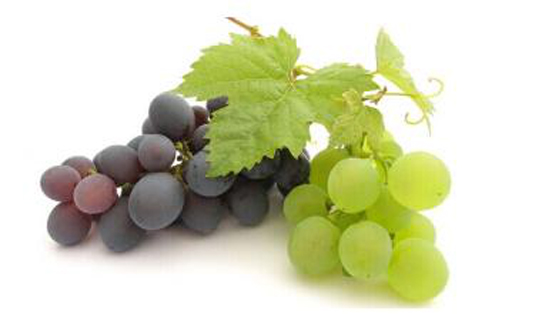
Product detail pictures:
Related Product Guide:
Our products are widely recognized and trusted by users and can meet continuously changing economic and social needs for Quality Inspection for Grape Skin Extract Wholesale to Montpellier , The product will supply to all over the world, such as: Hyderabad, Ukraine, Cape Town, Our company mission is that providing high quality and beautiful products with reasonable price and strive to gain 100% good reputation from our clients. We believe Profession achieves excellence! We welcome you to cooperate with us and grow up together.
https://SuccesswithTroyandDana.com
Sugar Blocker | F21 All Natural Sugar Blocker | Ludaxx Sugar Blocker Works!
F21 has been specifically formulated as an All Natural Sugar Blocker™ to help limit your blood sugar absorption. For every tablet of F21 you can block up to 10 grams of sugar (sucrose). Additionally, our patent pending formula not only helps promote weight loss, it benefits the digestive system by allowing the blocked sucrose to support beneficial probiotic bacteria while the polysaccharide (PSK) boosts your immune system response.
F21 Ingredients:
L-Arabinose, Coriolus Versicolor Polysacchride, Konjac-Mannan, Magnesium Stearate
Mint flavor: Menthol and Natural Colors.
Dr Rudi’s Story
“As a medical weight loss specialist, I am so excited to have access to products that supports what I have been telling my patients for years at a cost that is affordable. One of the biggest problems my clients face is convincing them to make changes in their lifestyle before they start seeing success, now with F21 and the other Ludaxx products, changes can begin to happen even before their lifestyle has changed.”
What is F21?
F21 is a delicious tasting tablet that is half the sweetness of sugar which helps block sugar absorption into the bloodstream as well as supporting beneficial probiotics within your digestive system! It is also an antioxidant that will boost your immune system response…
Cameron’s Story
“I decided to join Ludaxx after I started seeing my friends and family that were using F21 begin to experience better health including weight loss. Even though the need to lose weight is not an issue that I am facing, knowing that every gram of F21 can block up to twenty grams of Sucrose makes me feel less worried that weight will ever be an issue for me.”
F21 has been formulated to help limit your blood sugar absorption and control further weight gain. For every gram of L-Arabinose, F21 blocks up to 20 grams of sugar (sucrose) by inhibiting the enzyme called sucrase. Our digestive system will also receive the benefits of F21 to feed probiotic bacteria. With our powerful polysaccharides (PSK) to support the immune system response and protect against further free radical damage, we present you the product of the future. *
* These statements have not been evaluated by the Food and Drug Administration (FDA). This product is not intended to diagnose, prevent, mitigate, treat or cure disease.
Ingredients
L-Arabinose, Coriolus versicolor polysaccharide,
Other Ingredients
Konjac-Mannan, Magnesium Stearate
Help us share the power of the F21 with others…
Thanks, Troy & Dana
904-591-5413
https://successwithtroyanddana.com
SUGAR BLOCKER
BLOCK SUGAR
LUDAXX SUGAR BLOCKER
LUDAXX F21
SUGAR BLOCKERS
[diabetes]
[glucose]
[diabetic diet]
[type 2 diabetes]
[blood sugar levels]
[glucose levels]
[low blood sugar]
[what is diabetes]
[normal blood sugar levels]
[low blood sugar symptoms]
[blood sugar]
[blood glucose levels]
[high blood sugar]
[normal blood sugar]
[blood sugar levels chart]
[symptoms of low blood sugar]
[high blood sugar symptoms]
[normal glucose levels]
[fasting blood sugar]
[blood sugar chart]
[symptoms of high blood sugar]
[blood glucose]
[normal blood glucose levels]
[how to lower blood sugar]
Isotonix OPC-3 contains the only isotonic form of Pycnogenol® in the world.
Isotonic, which means “same pressure,” bears the same chemical resemblance of the body’s blood, plasma and tears. Isotonix® dietary supplements are delivered in an isotonic solution. This means that the body has less work to do to in obtaining maximum absorption. The isotonic state of the suspension allows nutrients to pass directly into the small intestine and be rapidly absorbed into the bloodstream. With Isotonix products, little nutritive value is lost, making the absorption of nutrients highly efficient while delivering maximum results. More information, please visit us at:
https://www.shop.com/atlanta/Isotonix+reg+OPC+3+reg+-561800349-0-Science-p+.xhtml#pop_pcd_tabs0
Or contact us at beyourowndoctors@gmail.com.
 By Christian from Ghana - 2018.02.04 14:13
The sales person is professional and responsible, warm and polite, we had a pleasant conversation and no language barriers on communication.
By Tyler Larson from Singapore - 2018.11.22 12:28