Top Quality Astaxanthin Supply to Ecuador
Top Quality Astaxanthin Supply to Ecuador Detail:
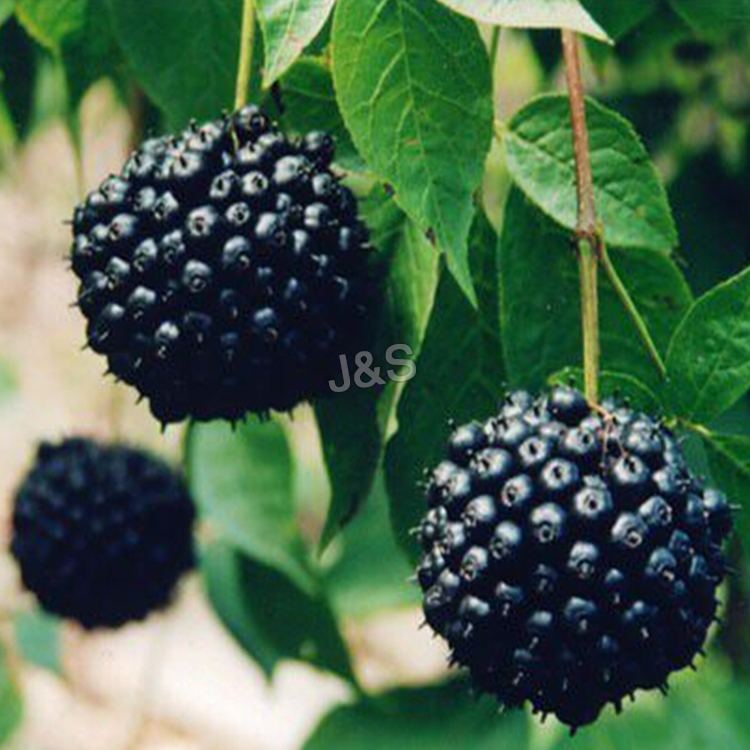
[Latin Name] Haematococcus Pluvialis
[Plant Source] from China
[Specifications]1% 2% 3% 5%
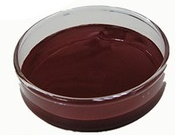
[Appearance] Dark red Powder
[Particle size] 80 Mesh
[Loss on drying] ≤5.0%
[Heavy Metal] ≤10PPM
[Storage] Store in cool & dry area, keep away from the direct light and heat.
[Shelf life] 24 Months
[Package] Packed in paper-drums and two plastic-bags inside.
[Net weight] 25kgs/drum
Brief Introduction
Astaxanthin is a natural nutritional component, it can be found as a food supplement. The supplement is intended for human, animal, and aquaculture consumption.
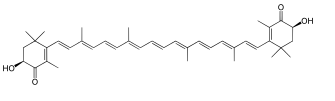
Astaxanthin is a carotenoid. It belongs to a larger class of phytochemicals known as terpenes, which are built from five carbon precursors; isopentenyl diphosphate and dimethylallyl diphosphate . Astaxanthin is classified as a xanthophyll (originally derived from a word meaning “yellow leaves” since yellow plant leaf pigments were the first recognized of the xanthophyll family of carotenoids), but currently employed to describe carotenoid compounds that have oxygen-containing moities, hydroxyl or ketone , such as zeaxanthin and canthaxanthin. Indeed, astaxanthin is a metabolite of zeaxanthin and/or canthaxanthin, containing both hydroxyl and ketone functional groups. Like many carotenoids, astaxanthin is a colorful, lipid-soluble pigment. This colour is due to the extended chain of conjugated (alternating double and single) double bonds at the centre of the compound. This chain of conjugated double bonds is also responsible for the antioxidant function of astaxanthin (as well as other carotenoids) as it results in a region of decentralized electrons that can be donated to reduce a reactive oxidizing molecule.
Function:
1.Astaxanthin is a powerful antioxidant and may protect against oxidative damage to body tissues.
2.Astaxanthin can improve the immune response by increasing the number of antibody producing cells.
3.Astaxanthin is a potential candidate to treat neurodegenerative disease such as Alzhimer and Parkinson diease.
4.Astaxanthin dan reduce UVA-light damage to skin such as sunburn, inflammation, ageing and skin cancer.
Application
1.When applied in pharmaceutical field, astaxanthin powder has the good function of antineoplastic;
2.When applied in health food field, astaxanthin powder is used as food additives for pigment and health care;
3.When applied in cosmetic field, astaxanthin powder has the good function of antioxidant and anti-aging;
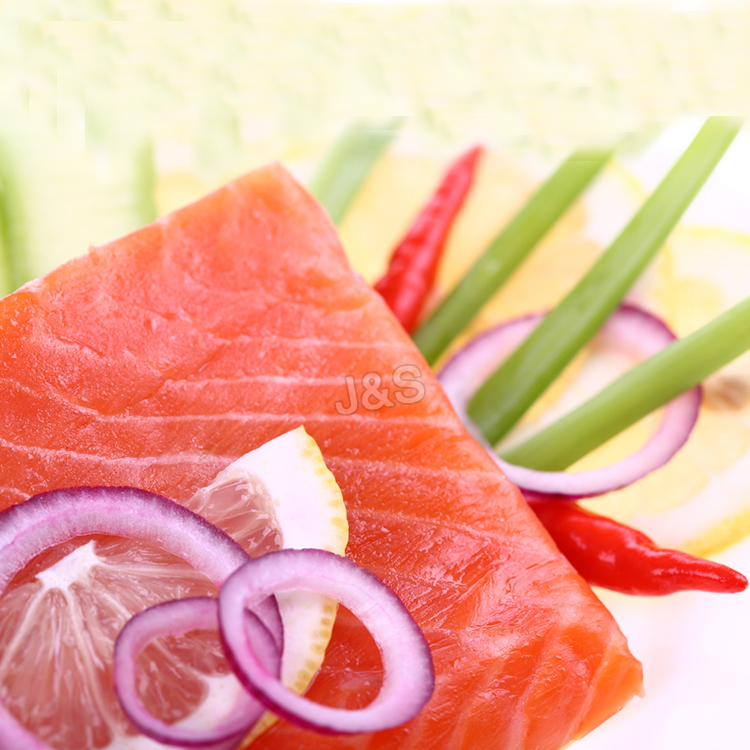
4.When applied in animal feeds field, astaxanthin powder is used as animal feed additive to impart coloration, including farm-raised salmon and egg yolks.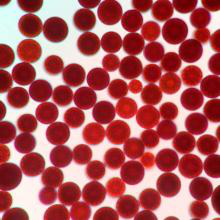
Product detail pictures:
Related Product Guide:
We believe in: Innovation is our soul and spirit. Top quality is our life. Purchaser need is our God for Top Quality Astaxanthin Supply to Ecuador , The product will supply to all over the world, such as: Cambodia, Rwanda, Turkmenistan, Ought to any of these products be of curiosity to you, remember to allow us to know. We are going to be satisfied to give you a quotation on receipt of one's in depth specs. We've our private experienced R&D enginners to meet any of one's requriements, We appear forward to receiving your enquires soon'and hope to have the opportunity to work together with you in the future. Welcome to check out our company.
VIRAL: WATCH as Kuya Kim Reveals the Secret Health Benefits of BARLEY GRASS! Mentioned in the Bible for 37 times, BARLEY is the only vegetation on earth that can supply nutritional support from birth to old age.
*Highblood
*Diabetis
*Sakit sa Puso
*Ulcer/hyperacidy
*Arthristis
*Rheumatism
*Psoriasis / Skin Diseases
*Migraine
*Constipation
*Asthma
*Leukemia
*Problema sa Kidney
*Cancer
Ang Sante Pure Barley immune booster punong puno ito ng vitamins, minerals, amino acids and enzymes, ang katawan natin may self healing na tinatawag panoorin si Kuya Kim habang pinapaliwanang ang produkto ng Sante International.
For Product order and business inquiries:
Lionel Villanueva
GLOBE : +639178302611
SMART/SUN : +639258294159
VIBER : +639178302611
https://www.healthyweightlossconcepts.com/10676/weight-loss-tips/does-stevia-sweetener-help-you-control-your-sugar-cravings/
Have you ever been grocery shopping and could not resist picking up your favorite sweet treat? Cutting sugar out from your diet can be a tough battle and…
 By Gabrielle from azerbaijan - 2017.12.19 11:10
In China, we have purchased many times, this time is the most successful and most satisfactory, a sincere and realiable Chinese manufacturer!
By Elaine from Toronto - 2018.12.10 19:03