Top Quality Green tea extract Supply to Buenos Aires
Top Quality Green tea extract Supply to Buenos Aires Detail:
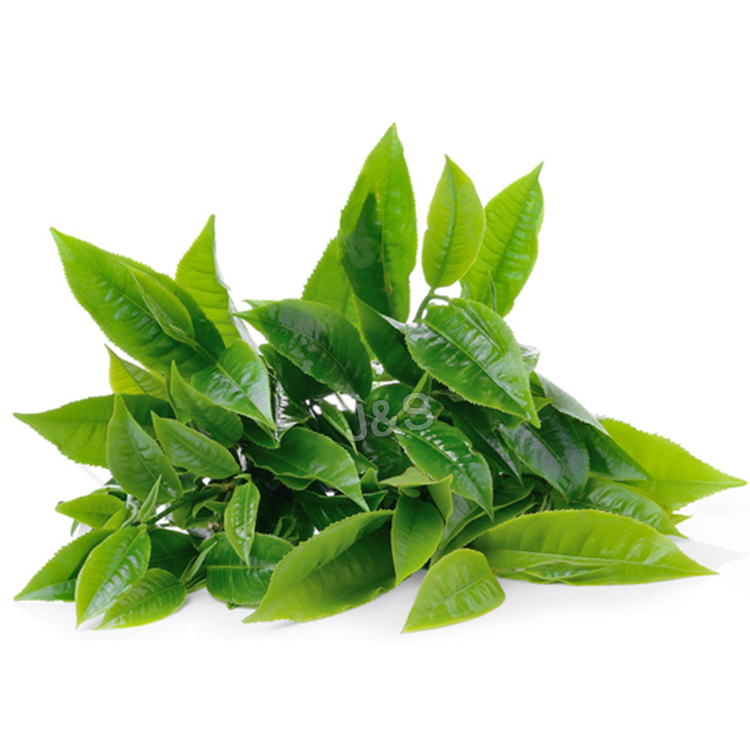
[Latin Name] Camellia sinensis
[Plant Source] China
[Specifications]
Total tea polyphenols 40%-98%
Total catechins 20%-90%
EGCG 8%-60%
[Appearance] Yellow brown powder
[Plant Part Used] Green tea leaf
[Particle size] 80 Mesh
[Loss on drying] ≤5.0%
[Heavy Metal] ≤10PPM
[Storage] Store in cool & dry area, keep away from the direct light and heat.
[Package] Packed in paper-drums and two plastic-bags inside.
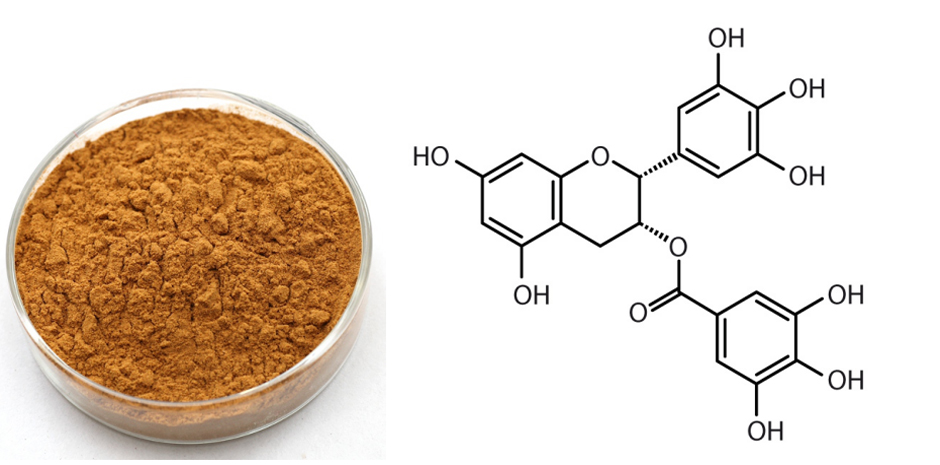
[What is green tea extract]
Green tea is the second largest beverage demanded by consumers worldwide. Used in China and India for its medicinal effects. There are several compounds extracted from green tea including catechins which contain an enormous amount of hydroxyphenols that are easily oxidized, congregated and contracted, which explains its good anti-oxidation effect. Its anti-oxidation effect is 25-100 times as strong as those of vitamin C and E.
It is widely used in medicines, agriculture, and chemical and food industries. This extract prevents cardio-vascular disease, lowers the risk of cancer, and decreases blood sugar and blood pressure, as well as viruses. In the food industry, the anti-oxidation agent used for preserving food and cooking oils.
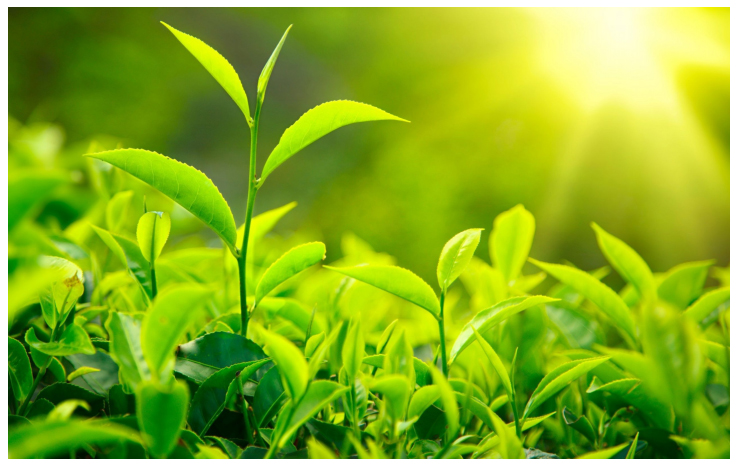
[Function]
1. Green tea extract can reduce blood pressure, blood sugar, blood lipids.
2. Green tea extract has the function of removing radicals and anti-aging.
3. Green tea extract can enhance the immune function and prevention of colds.
4. Green tea extract will anti-radiation,anti-cancer, inhibiting the increasing of cancer cell.
5. Green tea extract used to anti-bacterium, with the function of sterilization and deodorization.
[Application]
1.Applied in cosmetics field, Green tea extract owns the effect of anti-wrinkle and anti-Aging.
2.Applied in food field, Green tea extract is used as natural antioxidant, antistaling agent, and anti-fading agents.
3.Applied in pharmaceutical field, Green tea extract is used to prevent and cure cardiovascular disease, diabetes.
Product detail pictures:
Related Product Guide:
We insist on offering high quality production with good business concept, honest sales and the best and fast service. it will bring you not only the high quality product and huge profit, but the most significant is to occupy the endless market for Top Quality Green tea extract Supply to Buenos Aires , The product will supply to all over the world, such as: Chicago, Kyrgyzstan, Seattle, With well educated, innovative and energetic staff, we are responsible for all elements of research, design, manufacture, sale and distribution. By studying and developing new techniques, we are not only following but also leading fashion industry. We listen attentively to the feedback from our customers and provide instant replies. You will instantly feel our professional and attentive service.
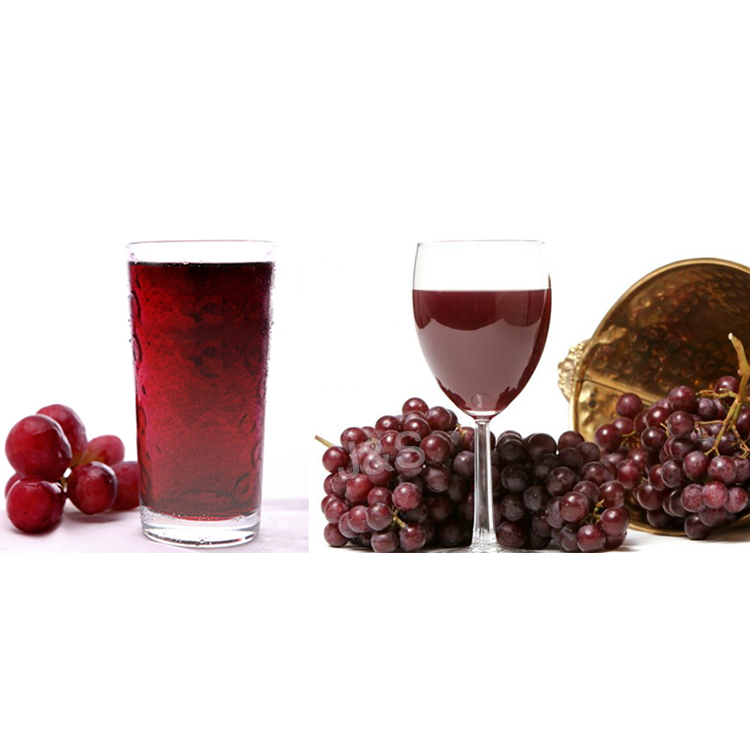
Grape seed extract and oligomeric proanthocyanidins (OPCs) clearly possess remarkable antioxidant, anti-inflammatory, and anti-allergenic properties.
• Reduces free radical damage and oxidative stress which suggest its effectiveness in reducing the risk of cancer, asthma, arthritis, heart and chronic diseases.
• 20 times more potent than Vitamin C and 50 times more potent than Vitamin E
• Prevents cardiovascular disease, formation of blood clots, growth of cancer cells, asthma in kids and adults, and premature ageing.
• Maintains normal blood pressure level by protecting the blood vessels from damage and by acting as a muscle relaxant.
 By Aaron from Birmingham - 2018.09.19 18:37
It is really lucky to meet such a good supplier, this is our most satisfied cooperation, I think we will work again!
By Janet from Riyadh - 2018.06.26 19:27