Wholesale 100% Original Konjac Gum Powder Factory from Czech
Wholesale 100% Original Konjac Gum Powder Factory from Czech Detail:
[Latin Name] Amorphophallus konjac
[Plant Source] from China
[Specifications] Glucomannan85%-90%
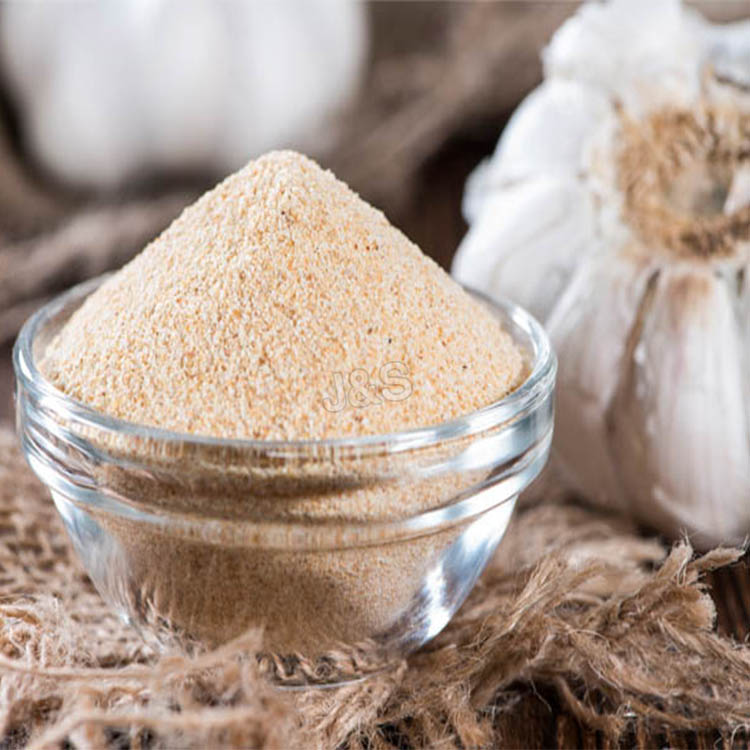
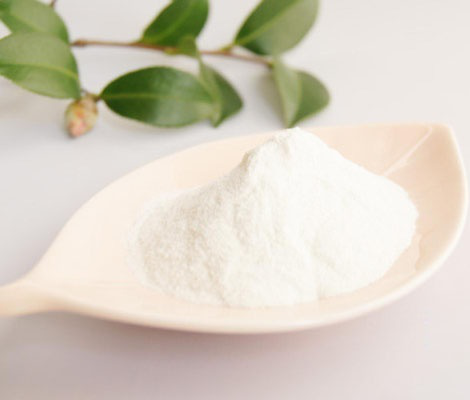
[Appearance] White or cream-color powder
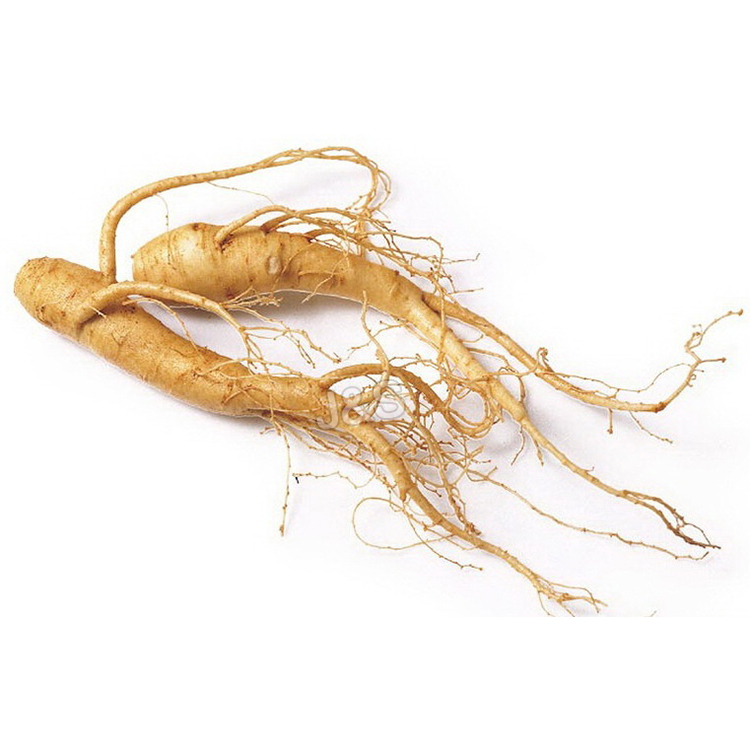
Plant Part Used:Root
[Particle size] 120 Mesh
[Loss on drying] ≤10.0%
[Heavy Metal] ≤10PPM
[Storage] Store in cool & dry area, keep away from the direct light and heat.
[Shelf life] 24 Months
[Package] Packed in paper-drums and two plastic-bags inside.
[Net weight] 25kgs/drum
[Introduction]
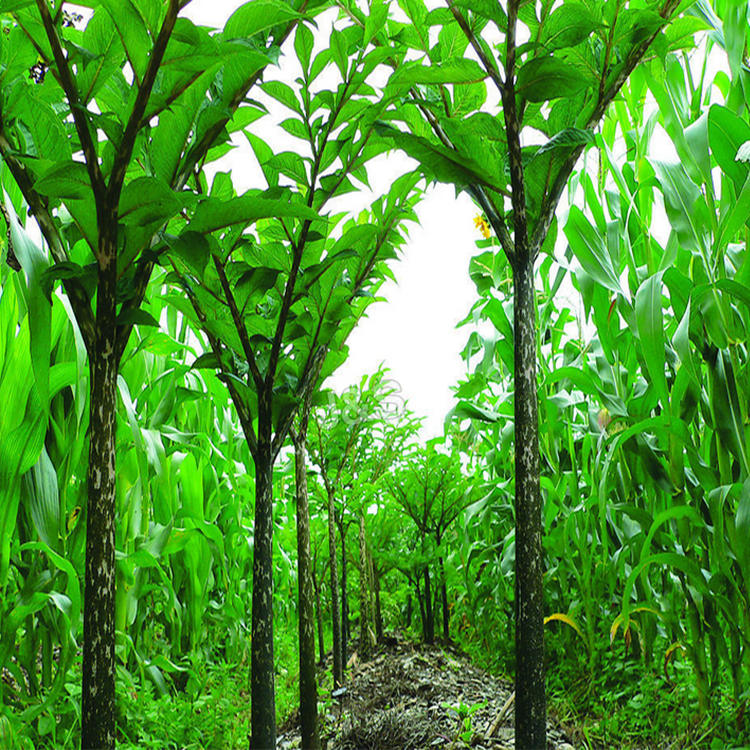
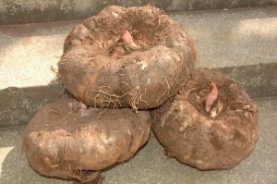
Konjac is a plant that is found in China, Japan and Indonesia. The plant is part of the genus Amorphophallus. Typically, it thrives in the warmer regions of Asia.
The extract of the Konjac root is referred to as Glucomannan. Glucomannan is a fiber-like substance traditionally used in food recipes, but now it is utilized as an alternative means of weight loss. Along with this benefit, konjac extract contains other benefits for the rest of the body as well.
The main material of the natural konjac gum is fresh konjac, which grow in virgin forest in Hubei area. We use advanced method to distill the KGM, aminophenol, Ca, Fe, Se which are good for health. Konjac is known as“ the seventh nutriment for human”.
Konjac Gum with its special water holiding capacity, stability, emulsibility, thickening property,suspension property and gel propery can especially adopted in food industry.

[Main Function]
1.It could reduce postprandial glycemia, blood cholesterol and blood pressure.
2.It could control appetite and reduce body weight.
3.It could increase insulin sensitivity.
4.It could control insulin resistant syndrome and diabetesII development.
5.It could reduce heart disease.
[Application]
1) Gelatinizer(jelly, pudding, Cheese, soft candy, jam );
2) Stabilizer(meat, beer);
3) Film Former(capsule, preservative)
4) Water-keeping agent( Baked Foodstuff );
5) Thickener (Konjac Noodles, Konjac Stick, Konjac Slice, Konjac Imitating Food stuff);
6) Adherence agent( Surimi );
7) Foam Stabilizer (ice cream, cream, beer)
Product detail pictures:
Related Product Guide:
We are also specializing in improving the things management and QC method in order that we could retain terrific edge inside the fiercely-competitive small business for Wholesale 100% Original Konjac Gum Powder Factory from Czech , The product will supply to all over the world, such as: Tunisia, Malta, belarus, Now, with the development of internet, and the trend of internationalization, we have decided to extend business to overseas market. With the propose of bringing more profits to oversea customers by providing directly abroad. So we have changed our mind, from home to abroad, hope to give our customers more profit, and looking forward to more chance to make business.
-pump filler
-packaging speed:40-60 packages/min;
-S.S 304 contact parts and cover;
*PLC control & touch screen
*ribbon printer
Moof’s Medical Biochemistry Video Course: https://moof-university.thinkific.com/courses/medical-biochemistry-for-usmle-step-1-exam
Questions Answered in This Video:
- What are lipids? How are lipids defined?
- Are lipids fats?
- How can lipids be classified? What are the different types or classes of lipids?
- What are the different functions of lipids?
- How do lipids relate or different from the other classes of macromolecules?
- What are the monomers and polymers of lipids?
Don’t forget to LIKE, COMMENT, and SUBSCRIBE:
https://www.youtube.com/subscription_center?add_user=MoofUniversity
INFORMATION ABOUT TUTORING:
https://www.moofuniversity.com/tutoring/
TO SUPPORT MOOF UNIVERSITY WITH A FINANCIAL CONTRIBUTION:
https://www.moofuniversity.com/support-moof/
INSTAGRAM:
https://instagram.com/moofuniversity/
FACEBOOK:
https://www.facebook.com/pages/Moof-University/1554858934727545
TWITTER:
https://twitter.com/moofuniversity
Video Content Summary:
In this video, I begin the introduction to lipids, what they are, what kinds there are, and what their functions are.
A common misconception is that lipids are fats. Though fats are lipids, not all lipids are fats. Lipids are defined, essentially, as molecules that are mostly nonpolar or hydrophobic, and, thus, insoluble in water, at least for the most part. Many lipids, however, are amphipathic or amphiphilic because they have some hydrophobic (nonpolar) and some hydrophilic (polar) portions.
The functions of lipids vary widely. Some lipids can store energy and/or be used as fuel. Some make up membranes and are known as membrane lipids. Some can act as hormones, and hormones are signaling molecules. Others are key nutrients, as some vitamins are lipids, though that’s not discussed much in this video or the rest of the videos in this series.
Lipids are set apart from the other classes of macromolecules – carbohydrates, proteins, and nucleic acids – because they do not have monomers or polymers in the way that the other three do. Carbohydrate monomers are monosaccharides, and their polymers are polysaccharides. For proteins, the monomers are amino acids, and the polymers are polypeptides, which can fold and become functional proteins. Nucleic acids have nucleotide monomers, and polynucleotide polymers, which are simply called nucleic acids. With lipids, this set-up isn’t the case. There aren’t any monomeric or polymeric units. This is something that is seen when discussing the specific structures of other lipids in the other videos of this lipid series.
The lipids mentioned in this video are 1) free fatty acids 2) triacylglycerols or triglycerides 3) phospholipids 4) sphingolipid 5) glycolipids 6) steroids. Free fatty acids are the simplest lipid, and they are used for fuel, as they can be broken down for energy via beta oxidation, or they can be created via fatty acid synthesis. Triacylglycerols or triglycerides are two names for the same thing, and they are used for fuel storage — they are a key storage form of energy in cells. Phospholipids, sphingolipids, and glycolipids are all membrane lipids because they all show up are membrane components. Phospholipids have phosphate groups, sphingolipids, have a sphingosine backbone, and glycolipids have sugar moieties attached to them. Steroids, finally, are important in membranes and as hormones or signaling molecules.
 By Janet from Ethiopia - 2018.12.11 11:26
The enterprise has a strong capital and competitive power, product is sufficient, reliable, so we have no worries on cooperating with them.
By Dinah from Kyrgyzstan - 2017.05.02 18:28