Wholesale Distributors for Bilberry extract Factory in Orlando
Wholesale Distributors for Bilberry extract Factory in Orlando Detail:
[Latin Name] Vaccinium myrtillus l.
[Plant Source] Wild bilberry fruit cultivated from Sweden & Finland
[Specifications]
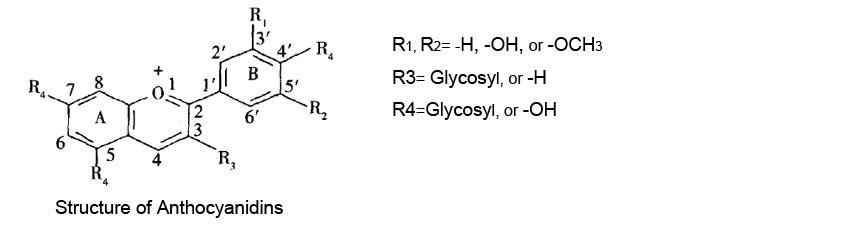
1) Anthocyanidins 25% UV (Glycosyl removed)
2) Anthocyanins 25% HPLC
3) Anthocyanins 36% HPLC
[Particle size] 80 Mesh
[Loss on drying] ≤5.0%
[Heavy Metal] ≤10PPM
[Pesticide residue] EC396-2005, USP 34, EP 8.0, FDA
[Storage] Store in cool & dry area, keep away from the direct light and heat.
[Package] Packed in paper-drums and two plastic-bags inside.
[General feature]
1. 100% extracted from European bilberry fruit, approved ID test from ChromaDex andAlkemist Lab;
2.Without any adultery of other relative species of Berries,such as Blueberry, Mulberry,Cranberry,etc;
3. Pesticide residue: EC396-2005, USP 34, EP 8.0, FDA
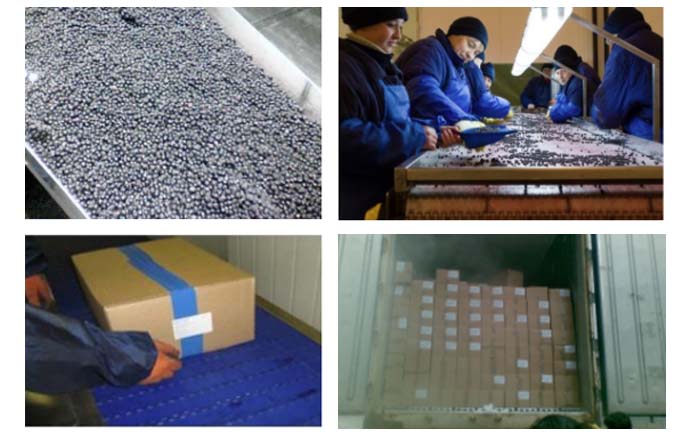
4. Directly import the frozen fruit from North Europe;
5. Perfect water solubility,water insolubles<1.0%
6. Chromatographic fingerprint match EP6 requirement
[What is bilberry fruit]
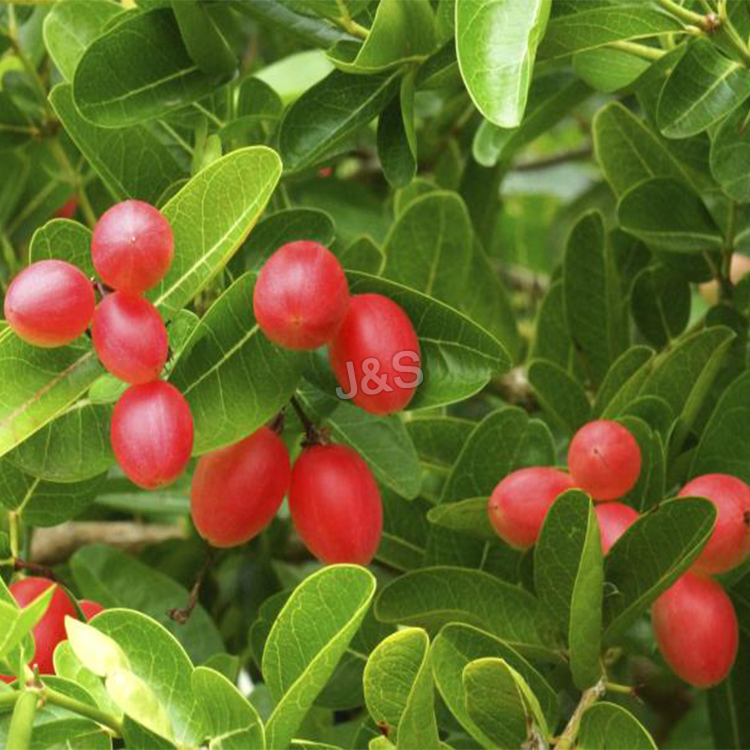
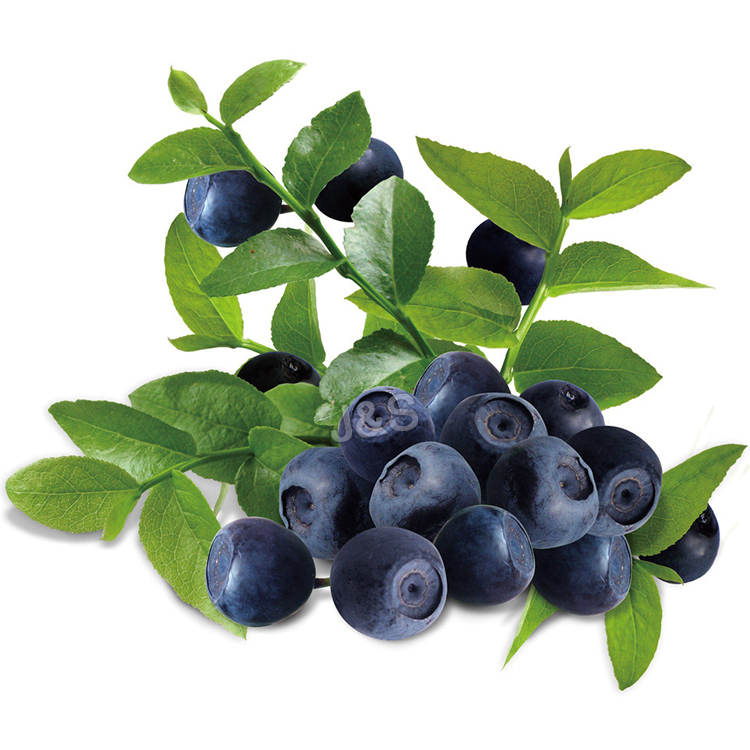
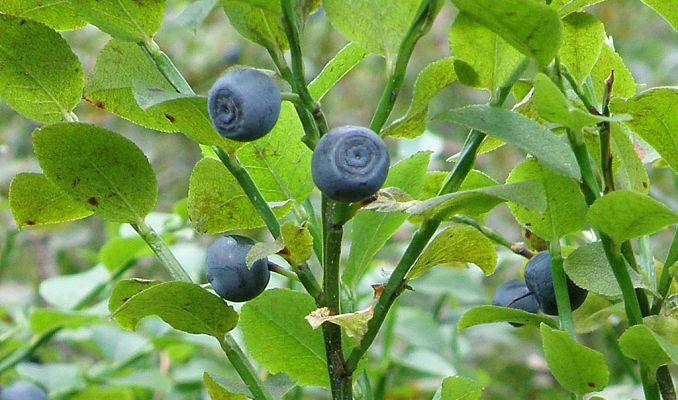
Bilberry (Vaccinium Myrtillus L.) is a kind of perennial deciduous or evergreen fruit shrubs, mainly found in subarctic regions of the world as in Sweden, Finland and Ukraine, etc. Bilberries contain dense levels of anthocyanin pigments, which was said popularly to have been used by World War II RAF pilots to sharpen night vision. In fork medicine, Europeans have been taking bilberry for a hundred years. Bilberry extracts entered the healthcare market as a kind of dietary supplement for effects on vision enhancement and visual fatigue relief.
[Function]
Protect and regenerate rhodopsin and cure the eye diseases;
Prevent the cardiovascular diseases
Antioxidant and anti-aging
Softening blood capillary, enhancing the heart function and resisting cancer
Product detail pictures:
Related Product Guide:
Our company since its inception, constantly regards product or service high quality as business life, continually improve creation technology, make improvements to product high-quality and consistently strengthen business total high-quality management, in strict accordance together with the national standard ISO 9001:2000 for Wholesale Distributors for Bilberry extract Factory in Orlando , The product will supply to all over the world, such as: America, Greece, Iraq, It is our customers' satisfaction over our products and services that always inspires us to do better in this business. We build mutually beneficial relationship with our clients by giving them large selection of premium car parts at marked down prices. We offer wholesale prices on all our quality parts so you are guaranteed greater savings.
Website : https://www.sriramherbals.in/ As Ayurveda deals with both prevention & cure covering psychological and spiritual aspects of life, it balances the imbalances in Body, Mind & Soul. SBV Exports is a well known manufacturer and supplier of natural & ayurvedic herbal medicine such as sex enhancement drugs, sex enhancement tablets, penis enlargement tablets, women sexual enhancer, breast enhancement drugs, herbal capsules, herbal tablets, herbal oil, liver care capsules, diabetes care capsules, herbal slimming capsules and herbal massage oil.
https://davesmith.ludaxx.com/
https://www.davegsmith.com
Why it Works for
F21 is an All Natural Sugar Blocker that helps limit your blood sugar absorption. It consists of different compounds found to have various health benefits, such as L-Arabinose, Coriolus Versicolor Polysacchride, Konjac-Mannan, Magnesium Stearate, Mint flavor: Menthol and Natural Colors. F21 not only does it help promote weight loss, (PSK) boosts your immune system response. In fact, for every gram of F21, you can block up to 20 grams of sugar (sucrose). The formula not only helps promote weight loss, it benefits the digestive system by allowing the blocked sucrose to support beneficial probiotic bacteria while the polysaccharide (PSK) boosts your immune system response.
But how does this formula break down the sugar in our bodies? There are basically three steps:
STEP 1
Sugar (sucrose) enters the body as a whole molecule.
STEP 2
The enzyme “sucrose” separates the sucrose molecule into two individual sugar molecules, Glucose and Fructose, which then enter the blood stream to be used. F21 inhibits sucrose from separating the sucrose molecule.
STEP 3
Instead of the sugars entering the blood stream, the whole sucrose molecule and F21 remain in the digestive tract and become prebiotics.
The main ingredient in F21 is L-Arabinose, which helps prevent sugar (sucrose) from being metabolized in the body. It also helps to satisfy any cravings for sugar. Another ingredient, Polysaccharide (PSK), is an extremely powerful antioxidant and immune-regulatory defender. It’s well researched anti-tumor, anti-infection and anti-inflammation effects help repair damaged cells and support the immune system.
Konjac-Mannan is a natural appetite suppressant. It acts as a trigger signaling your stomach to feel a little more satisfied and can help to reduce hunger cravings.
Prebiotics are indigestible fibers that are food for the probiotics. Both F21 and the whole sucrose molecule remain in the large intestine and become food for probiotics.
Menthol is an compound made synthetically or obtained from cornmint, peppermint or other mint oils. Menthol has local anesthetic and counterirritant qualities, and it is widely used to relieve minor throat irritation. It is known to be a powerfully medicinal compound linked to several potential health benefits. Peppermint oil, a natural source of menthol, has been investigated as a treatment for several diseases and conditions.
Magnesium stearate, also called octadecanoic acid, is manufactured from both animal and vegetable oils and this is the reason why some nutritional supplements specify that the magnesium stearate used is sourced from vegetables.
 By Eartha from Iraq - 2018.06.28 19:27
The company comply with the contract strict, a very reputable manufacturers, worthy a long-term cooperation.
By olivier musset from US - 2018.09.23 17:37