Wholesale price for Astaxanthin Factory from Tanzania
Wholesale price for Astaxanthin Factory from Tanzania Detail:
[Latin Name] Haematococcus Pluvialis
[Plant Source] from China
[Specifications]1% 2% 3% 5%
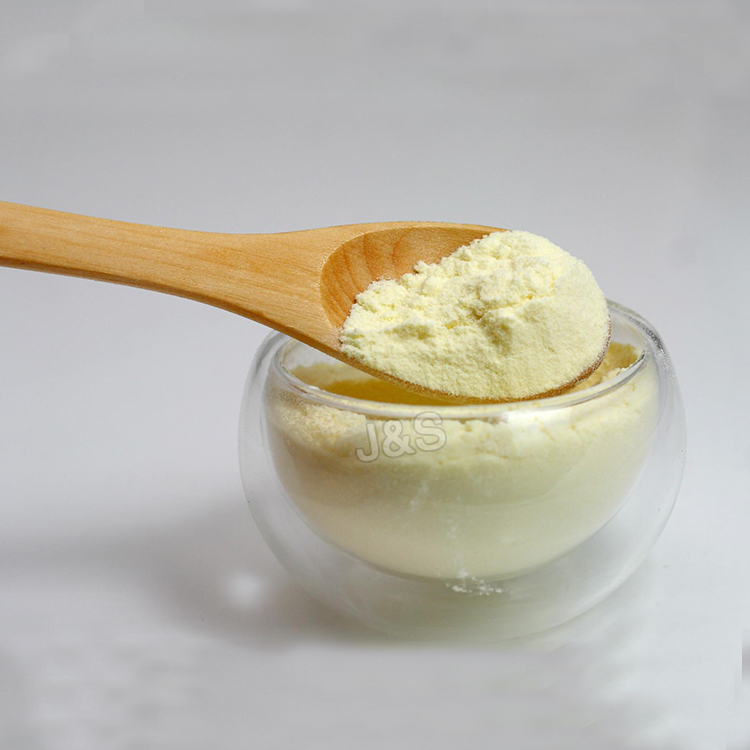
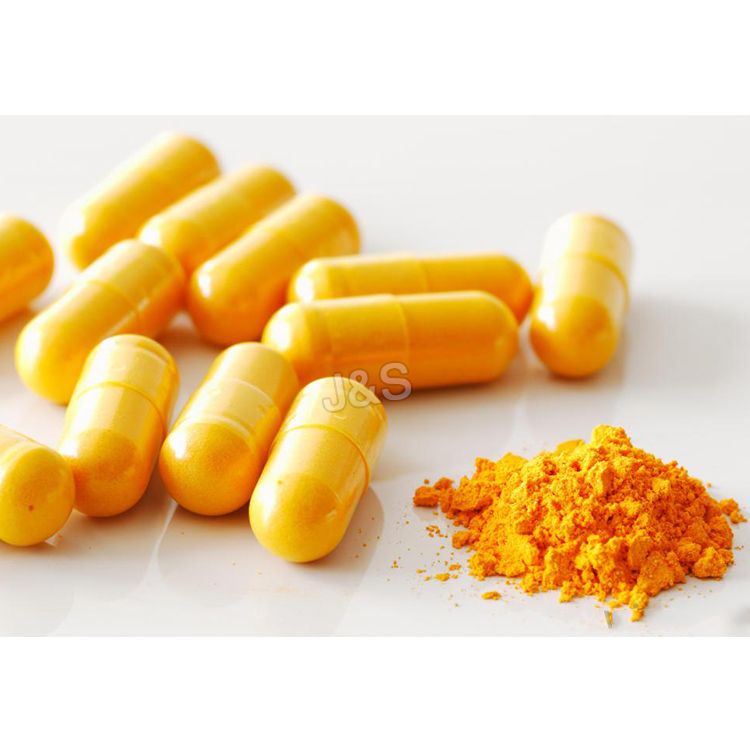
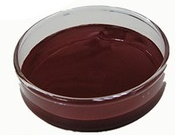
[Appearance] Dark red Powder
[Particle size] 80 Mesh
[Loss on drying] ≤5.0%
[Heavy Metal] ≤10PPM
[Storage] Store in cool & dry area, keep away from the direct light and heat.
[Shelf life] 24 Months
[Package] Packed in paper-drums and two plastic-bags inside.
[Net weight] 25kgs/drum
Brief Introduction
Astaxanthin is a natural nutritional component, it can be found as a food supplement. The supplement is intended for human, animal, and aquaculture consumption.
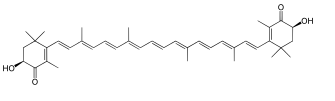
Astaxanthin is a carotenoid. It belongs to a larger class of phytochemicals known as terpenes, which are built from five carbon precursors; isopentenyl diphosphate and dimethylallyl diphosphate . Astaxanthin is classified as a xanthophyll (originally derived from a word meaning “yellow leaves” since yellow plant leaf pigments were the first recognized of the xanthophyll family of carotenoids), but currently employed to describe carotenoid compounds that have oxygen-containing moities, hydroxyl or ketone , such as zeaxanthin and canthaxanthin. Indeed, astaxanthin is a metabolite of zeaxanthin and/or canthaxanthin, containing both hydroxyl and ketone functional groups. Like many carotenoids, astaxanthin is a colorful, lipid-soluble pigment. This colour is due to the extended chain of conjugated (alternating double and single) double bonds at the centre of the compound. This chain of conjugated double bonds is also responsible for the antioxidant function of astaxanthin (as well as other carotenoids) as it results in a region of decentralized electrons that can be donated to reduce a reactive oxidizing molecule.
Function:
1.Astaxanthin is a powerful antioxidant and may protect against oxidative damage to body tissues.
2.Astaxanthin can improve the immune response by increasing the number of antibody producing cells.
3.Astaxanthin is a potential candidate to treat neurodegenerative disease such as Alzhimer and Parkinson diease.
4.Astaxanthin dan reduce UVA-light damage to skin such as sunburn, inflammation, ageing and skin cancer.
Application
1.When applied in pharmaceutical field, astaxanthin powder has the good function of antineoplastic;
2.When applied in health food field, astaxanthin powder is used as food additives for pigment and health care;
3.When applied in cosmetic field, astaxanthin powder has the good function of antioxidant and anti-aging;
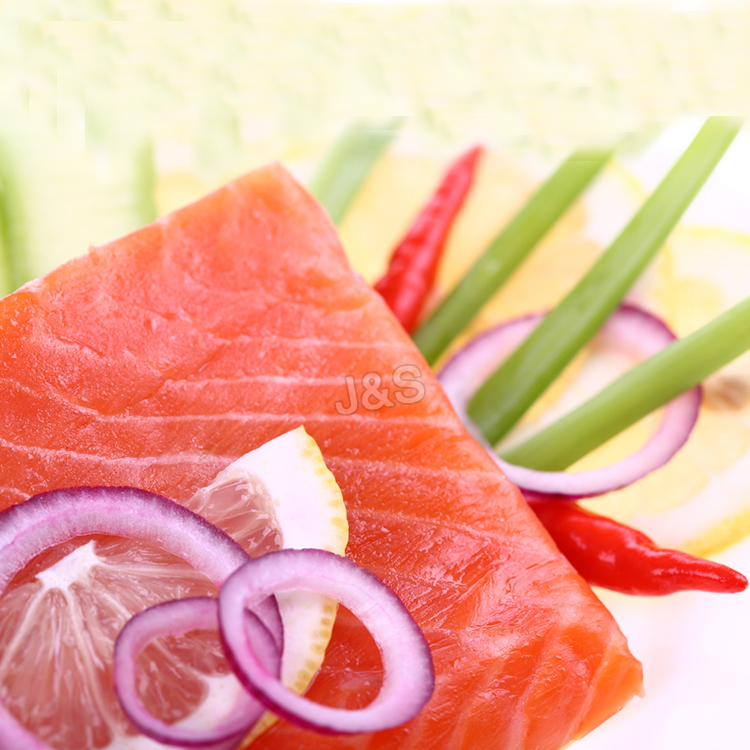
4.When applied in animal feeds field, astaxanthin powder is used as animal feed additive to impart coloration, including farm-raised salmon and egg yolks.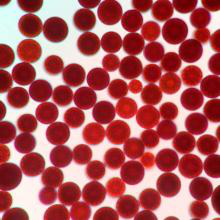
Product detail pictures:
Related Product Guide:
While in the past few years, our organization absorbed and digested innovative technologies both equally at home and abroad. Meanwhile, our organization staffs a group of experts devoted for the advancement of Wholesale price for Astaxanthin Factory from Tanzania , The product will supply to all over the world, such as: Mongolia, United Arab emirates, Brazil, "Create Values,Serving Customer!" is the aim we pursue. We sincerely hope that all customers will establish long term and mutually beneficial cooperation with us.If you wish to get more details about our company, You should contact with us now!
This video describes about the most effective male sexual enhancement herbal supplements. You can find more details about Night Fire and Musli Strong capsules at https://www.askhomeremedies.com
This Dry Fruit Recipe is Easy & Famous Recipe in Andhra Pradesh and today I am Going to Reveal the Secret How to Prepare same in a easiest Method to make in your Home
After watching this video you can directly do it in your home with the easily available ingredients
For More Please Subscribe and keep watching Attamma TV
 By Mandy from Mexico - 2017.09.28 18:29
The customer service reprersentative explained very detailed, service attitude is very good, reply is very timely and comprehensive, a happy communication! We hope to have a opportunity to cooperate.
By Marco from Algeria - 2017.08.15 12:36