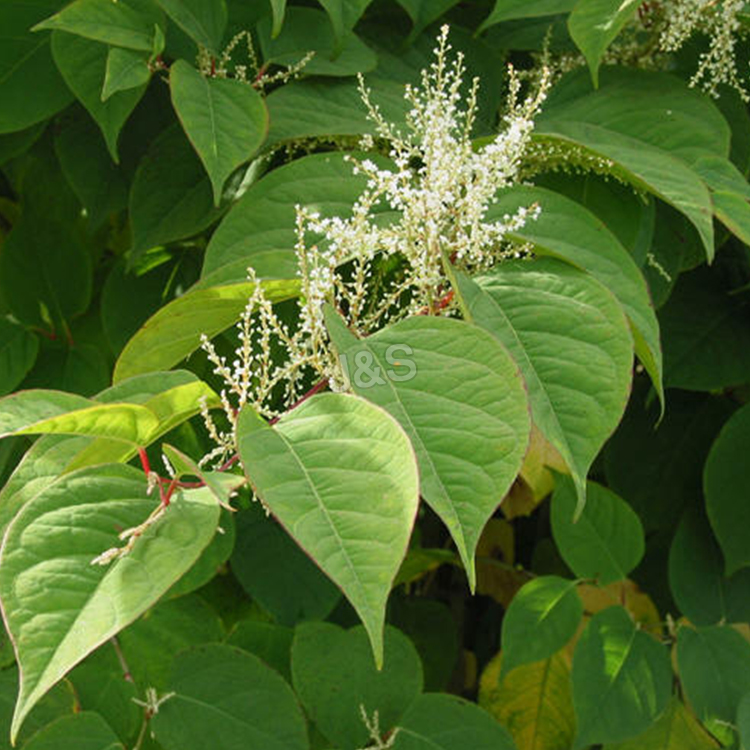
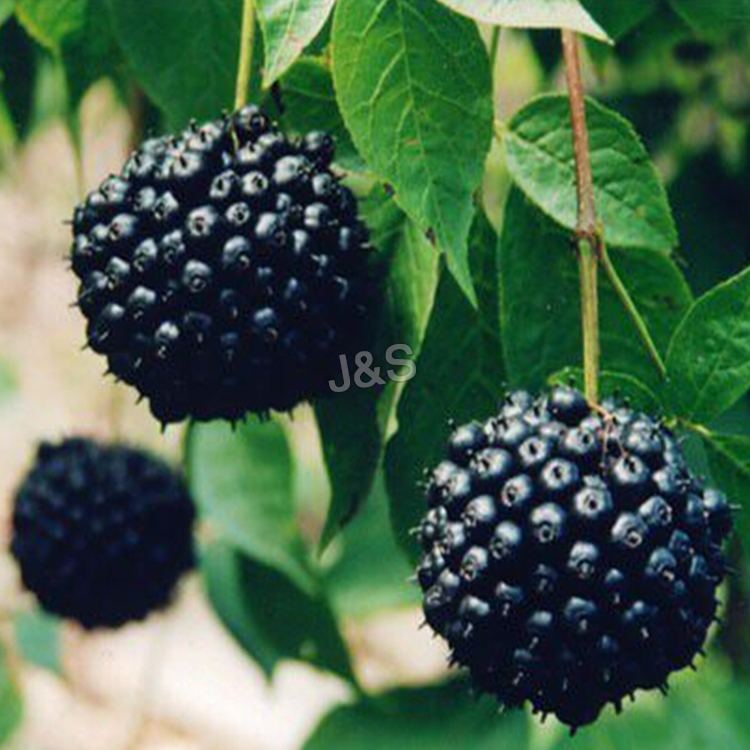
14 Years Factory wholesale White Willow Bark Extract in Provence
14 Years Factory wholesale White Willow Bark Extract in Provence Detail:
[Latin Name] Salix alba L.
[Plant Source] from China
[Specifications] Salicin 15-98%
[Appearance] Yellow Brown to White powder
Plant Part Used: Bark
[Particle size] 80 Mesh
[Loss on drying] ≤5.0%
[Heavy Metal] ≤10PPM
[Storage] Store in cool & dry area, keep away from the direct light and heat.
[Shelf life] 24 Months
[Package] Packed in paper-drums and two plastic-bags inside.
[Net weight] 25kgs/drum
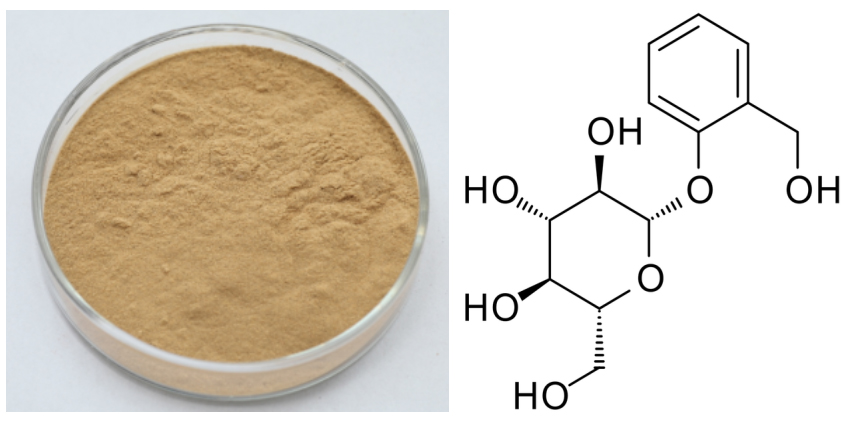
Brief Introduction
Salicin is a naturally occurring compound found in the bark of several species of trees, primarily North American in origin, that are from the willow, poplar, and aspen families. White willow, from whose Latin name, Salix alba, the term salicin is derived, is the most well known source of this compound, but it is found in a number of other trees, shrubs, and herbaceous plants as well being synthesized commercially. It is a member of the glucoside family of chemicals and is used as an analgesic and antipyretic. Salicin is used as a precursor for the synthesis of salicylic acid and acetylsalicylic acid, commonly known as aspirin.
A colorless, crystalline solid in its pure form, salicin has the chemical formula C13H18O7. Part of its chemical structure is equivalent to the sugar glucose, meaning it is classified as a glucoside. It is soluble, but not strongly so, in water and alcolhol. Salicin has a bitter taste and is a natural analgesic and antipyretic, or fever reducer. In large quantities, it can be toxic, and overdoses may lead to liver and kidney damage. In its raw form, it may be mildly irritating to skin, respiratory organs, and eyes.
Function
1. Salicin is used to ease pain and reduce inflammation.
2. Relieve acute and chronic pain, including headache, back and neck pain, muscle aches, and menstrual cramps; Control arthritis discomforts.
3. Relieve acute and chronic pain.
4. It has the same effect on the body as aspirin without any of the side effects.
5. It is an anti-inflammatory, a fever reducer, an analgesic, an anti-rheumatic, and an astringent. Specifically, it helps to relieve headaches.
Application
1.Anti-inflammatory, anti-rheumatic,
2.Reduce a fever,
3.Use as an analgesic and astringent,
4.Relieve headache,
5.Ease pain caused by rheumatism, arthritis, and carpal tunnel syndrome.
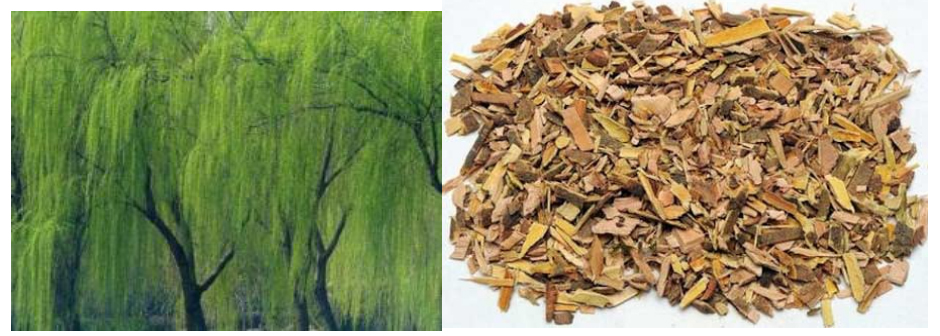
Product detail pictures:
Related Product Guide:
With our superb management, potent technical capability and strict quality command procedure, we go on to provide our shoppers with trustworthy high-quality, reasonable costs and outstanding services. We goal at becoming considered one of your most trustworthy partners and earning your pleasure for 14 Years Factory wholesale White Willow Bark Extract in Provence , The product will supply to all over the world, such as: Kenya, Canberra, Comoros, Our company sets up several departments, including production department, sales department, quality control department and sevice center,etc. only for accomplish the good-quality product to meet customer's demand, all of our products have been strictly inspected before shipment. We always think about the question on the side of the customers,because you win,we win!
Discover Plant City Carpet Cleaning at https://carpetcleaningoftampa.com or call 888-430-8118. FL,Florida. cleaning carpet, hardwood floors, tile & grout, furniture, air ducts, boats, RVs, cars, cleaners, cleaner, cleaning, cleaning, dust mites, urine, urin stain removal,company , service, local, professional, carpets, cleaners, rotem, cohen, niva, niva cohen, rotem cohen, how to, best, the best , green , Environmental.
QAAFI SCIENCE SEMINAR SERIES
28 March 2017
DESCRIPTION
The structure and material properties of growing and fleshy plant tissues are determined by their (primary) cell walls. The biological requirement in growing tissues for cell walls to combine structural strength with flexibility and extensibility is met through a network of cellulose fibres in a hydrogel form that is modified by the presence of other polysaccharides. From direct measurement on isolated plant cell walls and using a model bacterial cellulose hydrogel system, the molecular rules governing the association of non-cellulosic polysaccharides with cellulose fibres have been deduced. The effects of various features of cell wall hydrogels on the characteristic material properties under small deformation, compression and extension have been characterized and rationalized. Consequences for plant material properties and plant food behavior in the digestive tract will be discussed.
About Prof. Mike Gidley
Professor Mike Gidley is Director of the Centre for Nutrition and Food Sciences (CNAFS) in QAAFI. Prof. Gidley’s career includes 22 years in food R&D in the private sector and the last 13 years at UQ in the Centre for Nutrition and Food Sciences.
Research themes within CNAFS include ‘Smart Selections’ (how to identify the right combinations of raw materials and processing to deliver consumer-preferred foods), ‘Naturally Nutritious’ (maximising the intrinsic nutritional properties of agricultural products in foods and ingredients) and ‘Uniquely Australian’ (identifying and validating opportunities for elite products from foods and ingredients that can only have come from Australia).
Prof. Gidley’s own research is focused on structure – function relationships in important food components such as starch granules and plant cell walls. This has led to the detailed characterisation of starch and dietary fibre digestion/fermentation in vitro and in vivo, with the understanding generated leading to opportunities for optimising nutritional value of foods and feeds. He is a Program Leader in the Australian Research Council Centre of Excellence in Plant Cell Walls (2011-2017)
SUBSCRIBE:
https://www.vision6.com.au/em/forms/subscribe.php?db=398137&s=117697&a=45549&k=387aedc
WEB: https://qaafi.uq.edu.au/
 By Dana from United Arab emirates - 2018.11.22 12:28
The product manager is a very hot and professional person, we have a pleasant conversation, and finally we reached a consensus agreement.
By Lulu from Durban - 2018.07.12 12:19