15 Years Manufacturer Astaxanthin Wholesale to Munich
15 Years Manufacturer Astaxanthin Wholesale to Munich Detail:
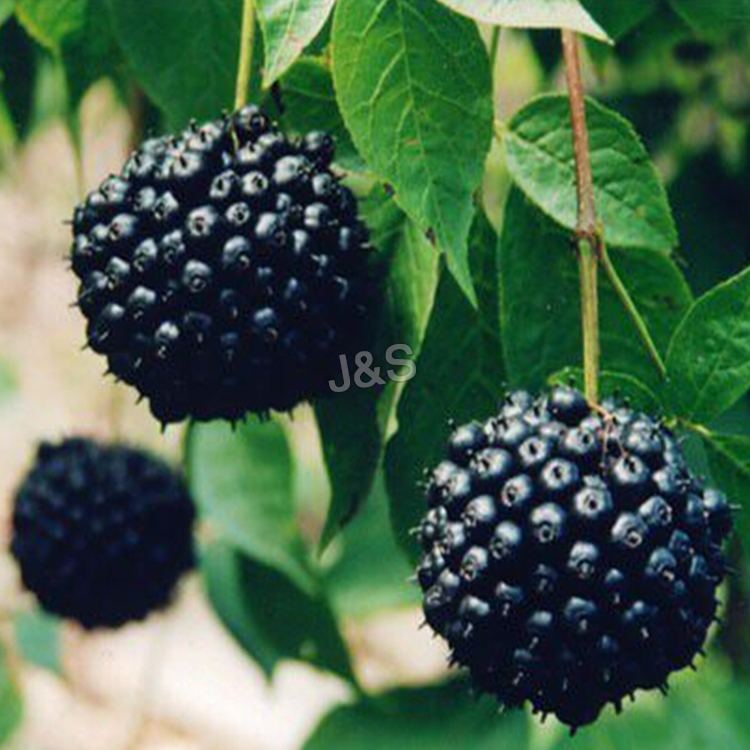
[Latin Name] Haematococcus Pluvialis
[Plant Source] from China
[Specifications]1% 2% 3% 5%
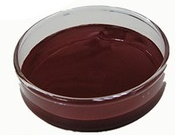
[Appearance] Dark red Powder
[Particle size] 80 Mesh
[Loss on drying] ≤5.0%
[Heavy Metal] ≤10PPM
[Storage] Store in cool & dry area, keep away from the direct light and heat.
[Shelf life] 24 Months
[Package] Packed in paper-drums and two plastic-bags inside.
[Net weight] 25kgs/drum
Brief Introduction
Astaxanthin is a natural nutritional component, it can be found as a food supplement. The supplement is intended for human, animal, and aquaculture consumption.
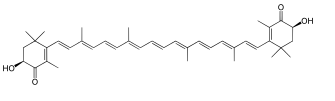
Astaxanthin is a carotenoid. It belongs to a larger class of phytochemicals known as terpenes, which are built from five carbon precursors; isopentenyl diphosphate and dimethylallyl diphosphate . Astaxanthin is classified as a xanthophyll (originally derived from a word meaning “yellow leaves” since yellow plant leaf pigments were the first recognized of the xanthophyll family of carotenoids), but currently employed to describe carotenoid compounds that have oxygen-containing moities, hydroxyl or ketone , such as zeaxanthin and canthaxanthin. Indeed, astaxanthin is a metabolite of zeaxanthin and/or canthaxanthin, containing both hydroxyl and ketone functional groups. Like many carotenoids, astaxanthin is a colorful, lipid-soluble pigment. This colour is due to the extended chain of conjugated (alternating double and single) double bonds at the centre of the compound. This chain of conjugated double bonds is also responsible for the antioxidant function of astaxanthin (as well as other carotenoids) as it results in a region of decentralized electrons that can be donated to reduce a reactive oxidizing molecule.
Function:
1.Astaxanthin is a powerful antioxidant and may protect against oxidative damage to body tissues.
2.Astaxanthin can improve the immune response by increasing the number of antibody producing cells.
3.Astaxanthin is a potential candidate to treat neurodegenerative disease such as Alzhimer and Parkinson diease.
4.Astaxanthin dan reduce UVA-light damage to skin such as sunburn, inflammation, ageing and skin cancer.
Application
1.When applied in pharmaceutical field, astaxanthin powder has the good function of antineoplastic;
2.When applied in health food field, astaxanthin powder is used as food additives for pigment and health care;
3.When applied in cosmetic field, astaxanthin powder has the good function of antioxidant and anti-aging;
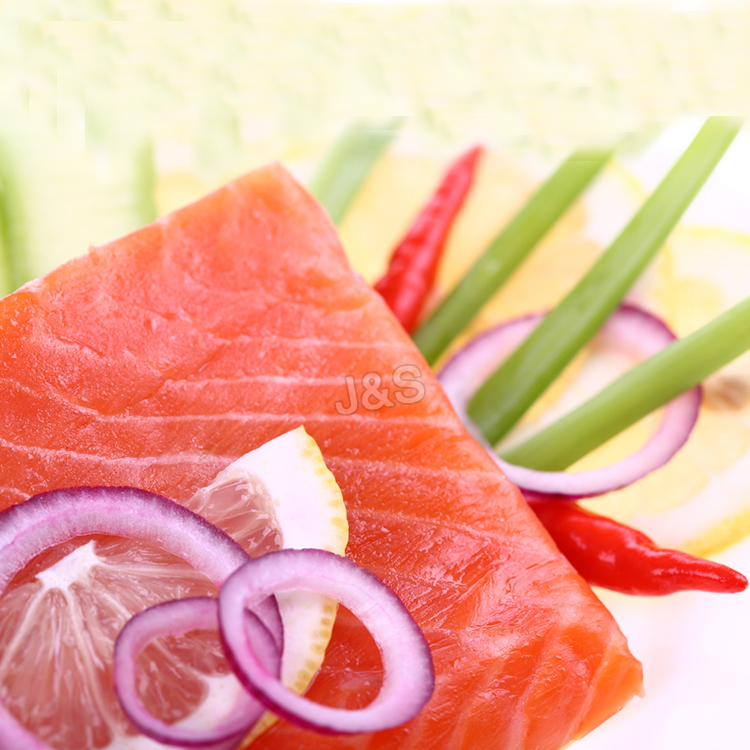
4.When applied in animal feeds field, astaxanthin powder is used as animal feed additive to impart coloration, including farm-raised salmon and egg yolks.
Product detail pictures:
Related Product Guide:
Our development depends on the advanced equipment ,excellent talents and continuously strengthened technology forces for 15 Years Manufacturer Astaxanthin Wholesale to Munich , The product will supply to all over the world, such as: Mecca, Seychelles, Sao Paulo, With a wide range, good quality, reasonable prices and stylish designs, our products are extensively used in public placesand other industries. Our products are widely recognized and trusted by users and can meet continuously developing economic and social needs. We welcome new and old customers from all walks of life to contact us for future business relationships and achieving mutual success!
What is Soy and How is it Used?
Soybeans are legumes that originated in East Asia, but are now being produced on a large scale in the United States.
Soy is used to make many different foods. Soybeans can be eaten whole, with the immature types being called edamame. Soybeans must be cooked, as they are poisonous when raw.
Soy is used in tofu, soy milk and various dairy and meat substitutes. It is also used in fermented foods like miso, natto and tempeh, which are commonly consumed in some Asian countries.
Over 90% of soy produced in the U.S. is genetically modified and the crops are sprayed with the herbicide Roundup, which may be associated with adverse effects on health (1).
Interestingly, whole soybeans are rarely consumed in Western countries. The majority of soy in the diet comes from the refined products that are processed from the soybeans.
Most of the soy crop in the U.S. is used to produce soybean oil, which is extracted using the chemical solvent hexane. Soybean oil supplied about 7% of calories in the U.S. diet in the year 1999 (2).
What remains of the soybean after the fat has been extracted is called soybean meal, which is about 50% protein. The majority of soybean meal is used to feed livestock, but it can also go through further processing to produce isolated soy protein.
Because it’s cheap and has certain functional properties, soybean oil and soy protein have found their way into all sorts of processed foods, so most people in the U.S. are consuming significant amounts of soy without even knowing about it.
Soy protein is also the major ingredient in soy-based infant formulas.
 By Doris from Comoros - 2018.06.18 17:25
High Quality, High Efficiency, Creative and Integrity, worth having long-term cooperation! Looking forward to the future cooperation!
By Roxanne from Kenya - 2018.11.11 19:52