Best Price for Lyophilized royal jelly powder in Ireland


Product Detail

Product Tags

Related Video

Feedback (2)

No matter new customer or outdated client, We believe in extensive phrase and trusted relationship for 5 Htp Griffonia Simplicifolia, Chlorophyllin Copper Supplements, Polygonum cuspidatum extract, We Sincerely welcome clients from all around the entire world to visit us, with our multifaceted cooperation and get the job done with each other to develop new markets, build win-win outstanding future.
Best Price for Lyophilized royal jelly powder in Ireland Detail:

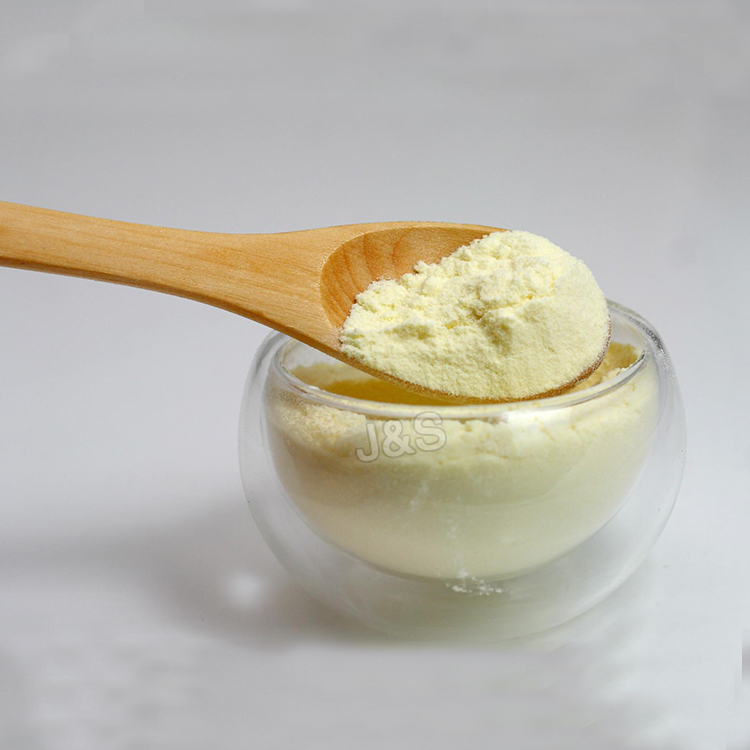
[Products Name]  Royal jelly powderLyophilized royal jelly powder

[Specification]  10-HDA 4.0%, 5.0%, 6.0%, HPLC

[Gerneral feature]

1. Low antibiotics, Chloramphenicol< 0.1ppb

2.Organic certified by ECOCERT, according to EOS & NOP organic standard;

3.100% pure with no additives;

4. More easily absorbed into the body than fresh royal jelly

5. Can be easily produced into tablets.

Lyophilized royal jelly powder1

[Our advantages]

  1. 600 bee farmers, 150 units of bee-feeding groups located in natural mountains;
  2. Organic certificated by ECOCERT;
  3. NON-antibiotics, widely exported to Europe;
  4. Health Certificate, Sanitary Certificate and Quality Certificate are available.

[Lyophilized technology]

Lyophilized technology, also known as Freeze-drying, it is a dehydration process typically used to maintain activity of all nutrition ingredients in royal jelly, also to make the royal jelly convenient for transport. Freeze-drying works by freezing the material and then reducing the surrounding pressure to allow the frozen water in the material to sublimate directly from the solid phase to the gas phase. This technology can maintain all activity of nutrition ingredient.

Lyophilized royal jelly powder is processed directly from fresh royal jelly.

3kgs fresh royal jelly is used to make 1kg lyophilized royal jelly powder.

During all the production process, there is no additives.
Lyophilized royal jelly powder2

[Packing]

5kg/bag, 25kgs/drum

1kg/bag, 20kgs/carton
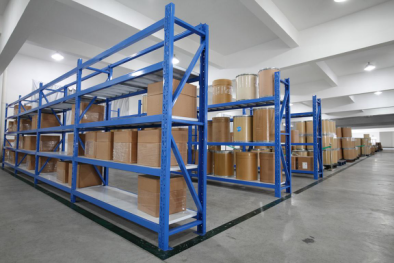
Lyophilized royal jelly powder3

Main indices of physical and chemic in Lyophilized royal jelly

Ingredients Indices Lyophilized royal jelly Standards Results
Ash 3.2 <5 Complies
Water 4.1% <7% Complies
Glucose 43.9% <50% Complies
Protein 38.29% >33% Complies
10-HDA 6.19% >4.2% Complies

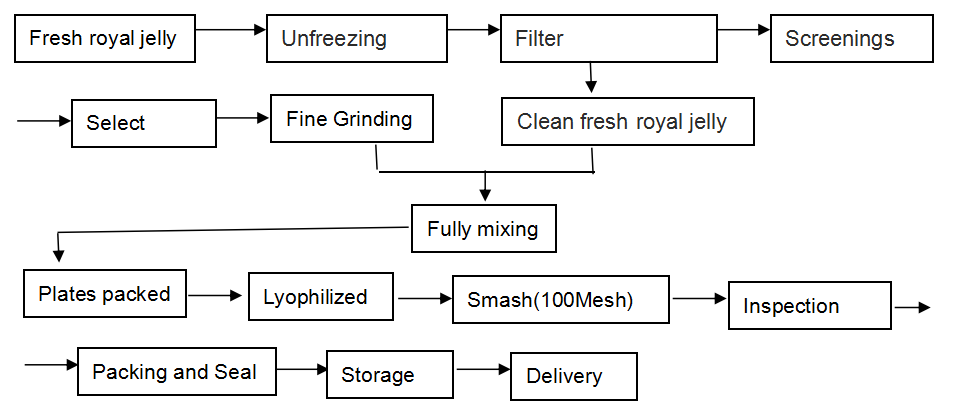
[Our work flow]

Lyophilized royal jelly powder4

Our Lyophilized Royal Jelly Powder is produced in this way: we lyophilize the fresh royal jelly by advanced freeze-drying facilities without losing any nutritional ingredients, reserving the natural ingredients in utmost, and then make them into the form of powder, for any food additives are not needed to add.


The raw material we use is the natural fresh royal jelly which is up to the export standard . We process our products strictly according to export standard. Our workshop is up to the requirements of GMP.


Royal Jelly powder has been selected as drug excipients by many European and American pharmaceutical producing enterprises.Meanwhile it is applies to health food and cosmetics industries.
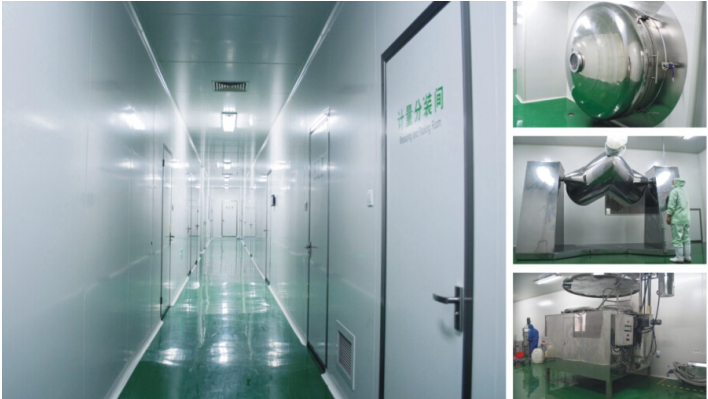
Lyophilized royal jelly powder5


[Quality control]

Traceability record

GMP standard production

Advanced inspection equipment
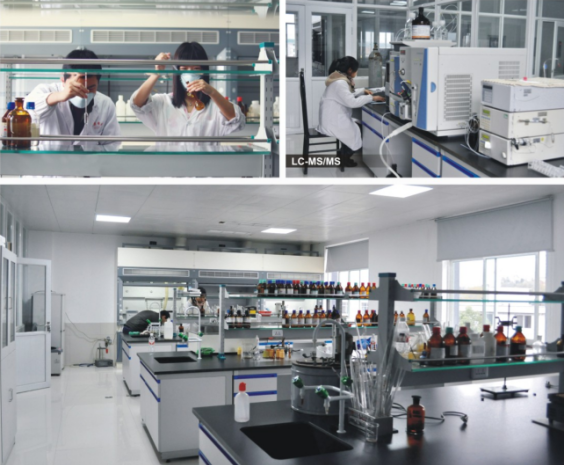
Lyophilized royal jelly powder6

[Function]

1.Enhances the immune system

2.Promotes wound healing

3.Has antitumor/anticancer properties

4.Lowers cholesterol levels

5.Increases fat metabolism

6.Is a powerful antioxidant

7.Regulates blood sugar levels

[Applications]

It’s widely used in health tonic, health pharmacy, hairdressing and cosmetic area, and mainly was applied in capsules, troche and oral liquids etc.


Product detail pictures:

Best Price for Lyophilized royal jelly powder in Ireland detail pictures


Related Product Guide:

So that you can finest fulfill client's demands, all of our operations are strictly performed in line with our motto "High Excellent, Competitive Price, Fast Service" for Best Price for Lyophilized royal jelly powder in Ireland , The product will supply to all over the world, such as: Colombia, New Zealand, Macedonia, We focus on providing service for our clients as a key element in strengthening our long-term relationships. Our continual availability of high grade products in combination with our excellent pre-sale and after-sales service ensures strong competitiveness in an increasingly globalized market.


  • As part of the HOW TO COOK GREAT NETWORK –

    https://www.howtocoogreatfood.com

    Also take a look at our channel for other great cooking genres.
    And look at the websites for in detail recipes, gallery and cooking tips.

    https://www.howtocookgreatethiopian.com

    https://www.howtocookgreatjamaican.com

    https://www.howtocookgreatcurry.com

    https://www.howtocookgreatfilipino.com

    Curry /ˈkʌri/, plural curries, is the generic English term primarily employed in Western culture to denote a wide variety of dishes whose origins are Southern and Southeastern Asian cuisines, as well as New World cuisines influenced by them such as Trinidadian, Mauritian or Fijian. Their common feature is the incorporation of complex combinations of spices and/or herbs, usually including fresh or dried hot chillies. In original traditional cuisines, the precise selection of spices for each dish is a matter of national or regional cultural tradition, religious practice, and, to some extent, family preference. Such dishes are called by specific names that refer to their ingredients, spicing, and cooking methods. https://www.howtocookgreatcurry.comTraditionally, spices are used both whole and ground; cooked or raw; and they may be added at different times during the cooking process to produce different results. Curry powder, prepared mixture of spices, is largely a Western notion, dating to the 18th century. Such mixtures are commonly thought to have first been prepared by Indian merchants for sale to members of the British Colonial government and army returning to Britain. Dishes called “curry” may containhttps://www.howtocookgreatcurry.com meat, poultry, fish, or shellfish, either alone or in combination with vegetables. They may instead be entirely vegetarian, especially among those for whom there are religious proscriptions against eating meat or seafood.Curries may be either “wet” or “dry.” Wet curries contain significant amounts of sauce or gravy based on yoghurt, coconut milk, legume purée (dal), or stock. Dry curries are cooked with very little liquid which is allowed to evaporate, leaving the other ingredients coated with the spice mixture. The main spices found in most South Asian curry powders are turmeric, coriander, and cumin; a wide range of additional spices may be included depending on the geographic region and the foods being included (white/red meat, fish, lentils, rice and vegetables). Curry was adopted and anglicised from the Tamil word kari (கறி) meaning ‘sauce’, which is usually understood to mean vegetables and/or meat cooked with spices with or without a gravy. According to this theory, https://www.howtocookgreatcurry.comkari was first encountered in the mid-17th century by members of the British East India Company trading with Tamil (Indian) merchants along the Coromandel Coast of southeast India, particularly at Fort St. George (later called Madras and renamed Chennai in 1996). Here, they became familiar with “a spice blend used for making kari dishes … called kari podi or curry powder.”. A further explanation put forward in The Flavours of History claims the origins of the word curry to be from old English first recorded in ‘The Forme of Cury’ (1390). Historically, the word “curry” was first used in British cuisine to denote dishes of meat (often leftover lamb) in a Western-style sauce flavoured with curry powder.The first curry recipe in Britain appeared in The Art of Cookery made Plain and Easy by Hannah Glasse in 1747. The first edition of her book used only black pepper and coriander seeds for seasoning of “currey”. By the fourth edition of the book, other ingredients such as turmeric and https://www.howtocookgreatcurry.comginger were called for. The use of hot spices was not mentioned, which reflected the limited use of chili in India — chili plants had only been introduced into India around the late 15th century and at that time were only popular in southern India.
    pakistani,sri lanka,nan bread,chutney,roti,fish fry,tamil,hindi,Curries of Goa,Karnataka,Kerala,Tamil Nadu,Bengali,Bangladeshi,Maharashtra,Gujarat,Kashmir,Punjab,Khyber Pakhtunkhwa,Sindh,curry powder,curry paste,

    indian food,Chicken curry,beef curry,lamb curry,balti,organ josh,tikka,tikka masala,popadum,bhuna,biriyani,dhansak,dupiaza,kaftan,nega,path,phial,roughen,sambar,vindaloo,tandoor,doss,ghee,chapati,phulka,purr,theia,paratha,kulcha,bhatoora,appal,paratha,,gobi,atta,rice,toor,urad,rajma,pannier,thali,jhola,sambar,raita,vegetable curry,fish curry,dal,aloo,keema,korma,madras,jalfrezi,sag.bhaji,pasanda,brinjal,haldi,curry leaves,chain,masala,indian,


    We are long-term partners, there is no disappointment every time, we hope to maintain this friendship later!
    5 Stars By Alexia from Amsterdam - 2017.08.28 16:02
    This company has the idea of "better quality, lower processing costs, prices are more reasonable", so they have competitive product quality and price, that's the main reason we chose to cooperate.
    5 Stars By Edith from Bolivia - 2017.06.25 12:48
    Write your message here and send it to us