Fixed Competitive Price Phytosterol Supply to Montpellier
Fixed Competitive Price Phytosterol Supply to Montpellier Detail:
[Latin Name] Glycine max(L.) Mere
[Specification] 90%; 95%
[Appearance] White powder
[Melting point] 134-142℃
[Particle size] 80Mesh
[Loss on drying] ≤2.0%
[Heavy Metal] ≤10PPM
[Storage] Store in cool & dry area, keep away from the direct light and heat.
[Shelf life] 24 Months
[Package] Packed in paper-drums and two plastic-bags inside.
[Net weight] 25kgs/drum
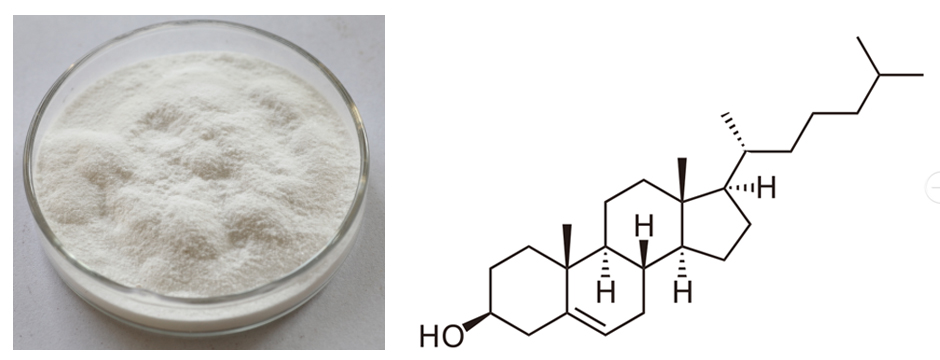
[What is Phytosterol?]
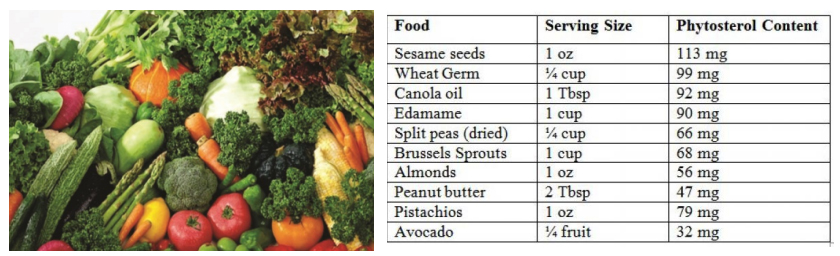
Phytosterols are compounds found in plants that resemble cholesterol. The National Institutes of Heath report that there are over 200 different phytosterols, and the highest concentrations of phytosterols are found naturally in vegetable oils, beans and nuts. Their benefits are so recognized that foods are being fortified with phytosterols. At the supermarket, you may see orange juice or margarine advertising phytosterol contents. After reviewing the health benefits, you may want to add phytosterol-rich foods to your diet.
[Benefits]
Cholesterol-Lowering Benefits
The most well-known, and scientifically proven, benefit of phytosterols is their ability to help lower cholesterol. A phytosterol is a plant compound that is similar to cholesterol. A study in the 2002 issue of “Annual Review of Nutrition” explains that phytosterols actually compete for absorption with cholesterol in the digestive tract. While they prevent the absorption of regular dietary cholesterol, they themselves are not easily absorbed, which leads to a total lower cholesterol level. The cholesterol-lowering benefit does not end with a good number on your blood work report. Having lower cholesterol leads to other benefits, such as a reduced risk for heart disease, stroke and heart attacks.
Cancer Protection Benefits
Phytosterols have also been found to help protect against the development of cancer. The July 2009 issue of the” European Journal of Clinical Nutrition” offers encouraging news in the fight against cancer. Researchers at the University of Manitoba in Canada report that there is evidence that phytosterols help prevent ovarian, breast, stomach and lung cancer. Phytosterols do this by preventing the production of cancer cells, stopping the growth and spread of cells that are already in existence and actually encouraging the death of cancer cells. Their high anti-oxidant levels are believed to be one way phytosterols help fight cancer. An anti-oxidant is a compound that fights free radical damage, which is negative effects on the body produced by cells that are unhealthy.
Skin Protection Benefits
A lesser known benefit of phytosterols involves skin care. One of the contributing factors in the aging of the skin is the breakdown and loss of collagen — the main component in connective skin tissue — and sun exposure is a major contributor to the problem. As the body ages, it is not able to produce collagen as it once did. The German medical journal “Der Hautarzt” reports a study in which various topical preparations were tested on skin for 10 days. The topical treatment that showed anti-aging benefits to the skin was the one that contained phytosterols and other natural fats. It is reported that phytosterols not only stopped the slow-down of collagen production that can be caused by the sun, it actually encouraged new collagen production.
Product detail pictures:
Related Product Guide:
With dependable high quality approach, great reputation and excellent customer support, the series of products and solutions produced by our firm are exported to lots of countries and regions for Fixed Competitive Price Phytosterol Supply to Montpellier , The product will supply to all over the world, such as: Sweden, Sheffield, Anguilla, We are proud to supply our products and solutions to every costumer all around the world with our flexible, fast efficient services and strictest quality control standard which has always approved and praised by customers.
www.essex24.in ESSEX-24 Capsule is a Safe, Powerful and Effective Natural Sexual Enhancement capsule with unique Natural ingredients to increase the sexual desire, energy, performance and pleasure. Essex-24 is an advanced formula to recharge, reactivate & refresh vitality and vigor. Try the best that really works… ESSEX-24
For more info: https://draxe.com/hair-loss-remedies/?utm_campaign=Youtube-Jan-2014&utm_medium=social&utm_source=youtube&utm_term=hairloss
The cause of hair loss is linked to an increase in an androgen hormone called DHT (DiHydroxy Testosterone). Managing this and other hormones is key to halting and reversing hair loss.
In this video I go over the 6 compounds that you should be consuming to balance your hormones and keep your hair full and healthy.
1. Saw Palmetto is an herb that’s been shown to block DHT. Supplement with 1500mg per day
2. Adaptogenic Herbs help your body adapt and deal with stress, balance hormones and reduce cortisol levels (also known as the aging hormone). Ashwaganda and Rhodiola are two of the adaptogenic herbs that help stop and reverse hair loss. Take 500mg of each per day.
3. Pumpkin Seed Oil is packed with zinc which has been shown to stop hair loss. Supplement with 1 Tbsp per day.
4. B-Complex vitamins – Biotin helps thicken your hair naturally and Vitamin B5 (pantothenic acid) supports your adrenal glands
5. Zinc boosts your immune system and repair your gut
6. Omega-3 fatty acids (fish oil) reduce inflammation and balance hormones, Look for a high quality fish oil like Axe Naturals, Garden of Life or Nordic Naturals.
Bonus Tip: Grains and sugars feed bad bacteria, cause estrogen to increase, and cause DHT to increase which promotes hair loss.
See more healthy videos and articles on my website https://www.draxe.com
 By Madge from Wellington - 2018.11.11 19:52
We are really happy to find such a manufacturer that ensuring product quality at the same time the price is very cheap.
By Jeff Wolfe from Uruguay - 2017.09.28 18:29