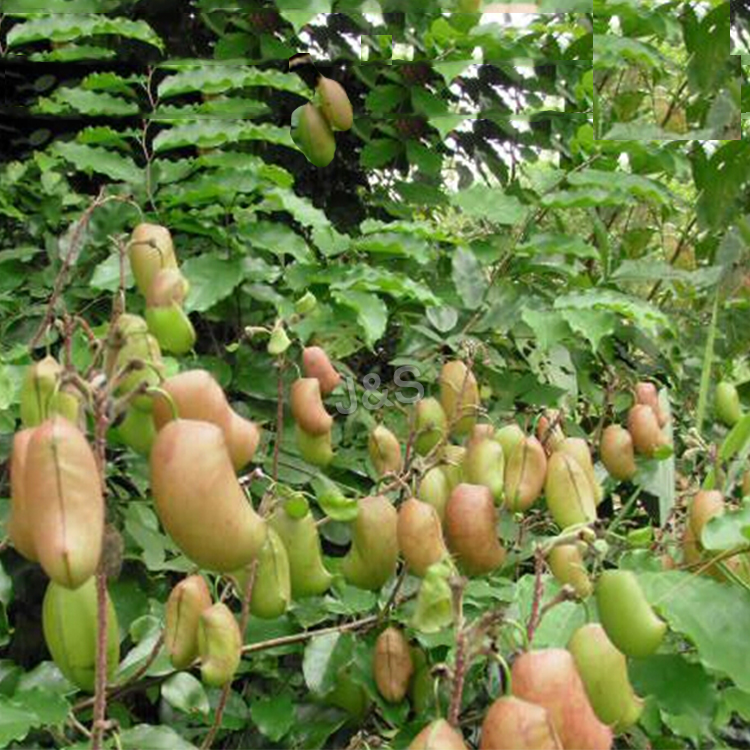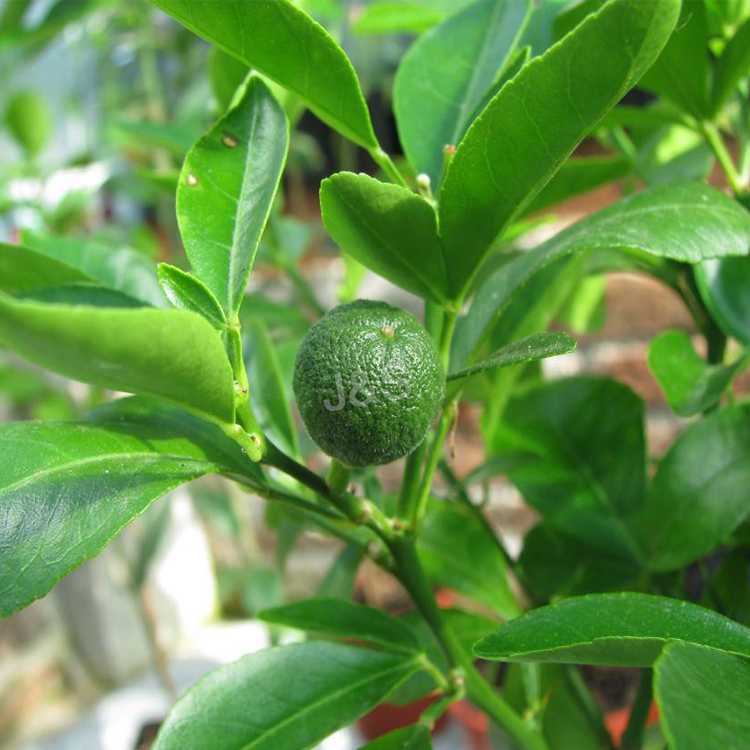
Wholesale price stable quality Huperzine A in El Salvador
Wholesale price stable quality Huperzine A in El Salvador Detail:
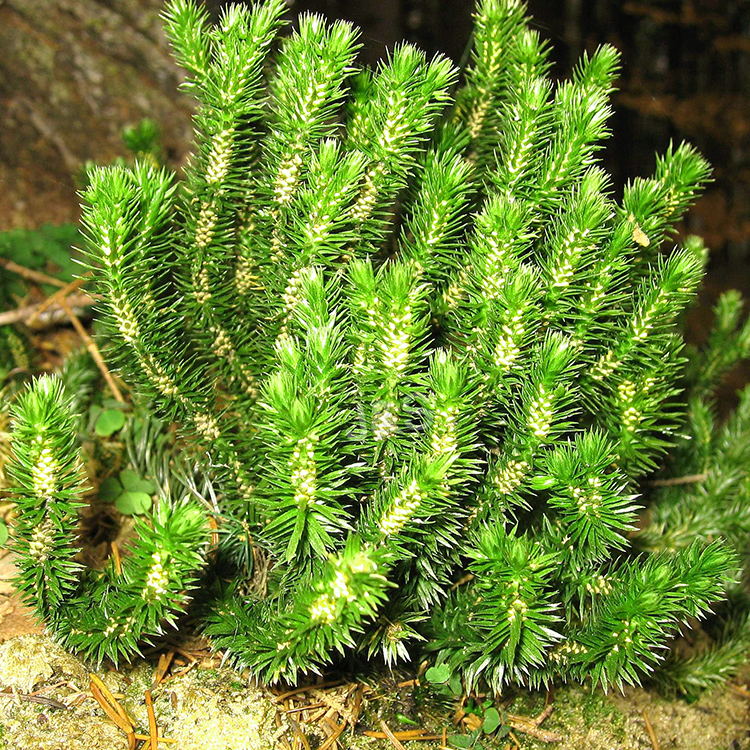
[Latin Name]Huperzia serratum
[Source] Huperziceae whole herb from China
[Appearance]Brown to white
[Ingredient]Huperzine A
[Specification]Huperzine A 1% – 5%, HPLC
[Solubility] Soluble in chloroform, methanol, ethanol, slightly soluble in water
[Particle size] 80 Mesh
[Loss on drying] ≤5.0%
[Heavy Metal] ≤10PPM
[Pesticide residue] EC396-2005, USP 34, EP 8.0, FDA
[Storage] Store in cool & dry area, keep away from the direct light and heat.
[Shelf life] 24 Months
[Package] Packed in paper-drums and two plastic-bags inside.
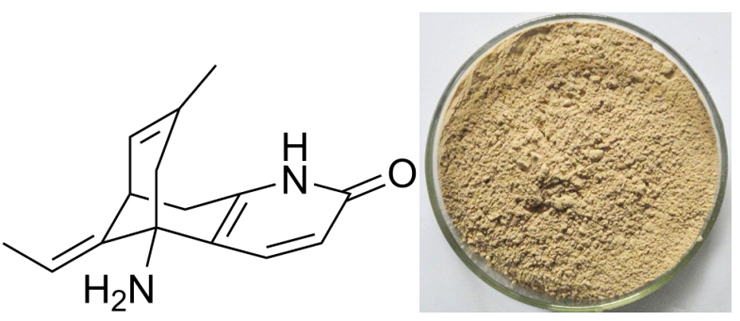
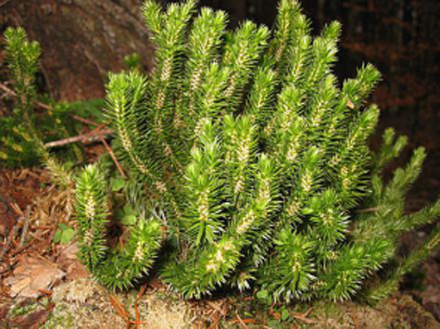
[What is Huperzine A]
Huperzia is a type of moss that grows in China. It is related to club mosses (the Lycopodiaceae family) and is known to some botanists as Lycopodium serratum . The whole prepared moss was used traditionally. Modern herbal preparations use only the isolated alkaloid known as huperzine A. Huperzine A is an alkaloid found in huperzia that has been reported to prevent the breakdown of acetylcholine, an important substance needed by the nervous system to transmit information from cell to cell. Animal research has suggested that huperzine A’s ability to preserve acetylcholine may be greater than that of some prescription drugs. Loss of acetylcholine function is a primary feature of several disorders of brain function, including Alzheimer’s disease . Huperzine A may also have a protective effect on brain tissue, further increasing its theoretical potential for helping reduce symptoms of some brain disorders.
[Function] Used in alternative medicine, huperzine A has been found to act as a cholinesterase inhibitor, a type of medicine used to prevent the breakdown of acetylcholine (a chemical essential to learning and memory).
Not only used as a treatment for Alzheimer’s disease, huperzine A is also said to enhance learning and memory and to protect against age-related cognitive decline.
In addition, huperzine A is sometimes used to boost energy, increase alertness, and aid in the treatment of myasthenia gravis (an autoimmune disorder that affects the muscles).
Product detail pictures:
Related Product Guide:
We know that we only thrive if we can guarantee our combined rate competiveness and good quality advantageous at the same time for Wholesale price stable quality Huperzine A in El Salvador , The product will supply to all over the world, such as: Qatar, Bahrain, UK, Our company is an international supplier on this kind of merchandise. We supply an amazing selection of high-quality merchandise. Our goal is to delight you with our distinctive collection of mindful items while providing value and excellent service. Our mission is simple: To supply the best items and service to our customers at the lowest prices possible.
ACP past president Dr. Sandra Fryhofer, a member of ACP’s Immunization Committee, discusses the key changes to the 2013 ACIP adult immunization schedule published in Annals of Internal Medicine https://annals.org/article.aspx?articleid=1567229.
Philadelphia, January 29, 2012 — The Center for Disease Control and Prevention’s Advisory Committee on Immunization Practices (ACIP) announced its recommended 2013 adult immunization schedule that includes important updates to the pneumococcal, Tdap (tetanus, diphtheria, and acellular pertussis), and influenza vaccines. Because current vaccination rates are low, ACIP also urges health care providers to regularly assess patient vaccination histories and implement intervention strategies to increase adherence. This recommendation will be published in Annals of Internal Medicine, the flagship journal of the American College of Physicians (ACP).
For the first time, information on the use of 13-valent pneumococcal conjugate vaccine (PCV13) was added to the schedule. PCV13 should be used with the 23-valent pneumococcal polysaccharide vaccine (PPSV23) for immunocompromised adults, or those with diseases such as HIV, cancer, or advanced kidney disease. The schedule includes information on timing the administration of the vaccines and also clarifies which adults would need one or two doses of PPSV23 before the age of 65.
Recommendations for the Tdap vaccine have expanded to include routine vaccination of adults aged 65 or older and for pregnant women to receive Tdap vaccine with each pregnancy. The ideal timing of Tdap vaccination during pregnancy is in the third trimester, between 27 and 36 weeks gestation. This recommendation was made to safeguard the pregnant woman and her baby, as protective maternal antibodies will pass to the fetus. Infants are too young for the vaccination but are at the highest risk for severe illness or death from pertussis.
All patients aged 6 months and over should continue to be vaccinated against influenza. Mild egg allergy is no longer a contraindication, but patients with an egg allergy should get the inactivated flu shot because that is what has been studied. The U.S. Food and Drug Administration has approved a quadrivalent influenza vaccine that contains two influenza A and two influenza B virus strains to increase the likelihood that the vaccine provides cross-reactive antibody against a higher proportion of circulating influenza B viruses.
The ACIP is comprised of ACP and 16 other medical societies representing various medical practice areas. Each year, the ACIP reviews the CDC’s Recommended Adult Immunization Schedule to ensure the schedule reflects current clinical recommendations for licensed vaccines. The recommendations are intended to guide physicians and other clinicians about the appropriate vaccines for their adult patients. In October 2010, the ACIP adopted an evidence-based process that considers quality of evidence, benefits and harms, values and preferences of affected populations, and economic impact.
The full 2013 Recommended Adult Immunization Schedule, including information about other recommended vaccines and changes to the footnotes, can be viewed at www.annals.org.
Subscribe to Dr. Greger’s free nutrition newsletter at https://www.nutritionfacts.org/subscribe and get a free excerpt from his latest NYT Bestseller HOW NOT TO DIE. (All proceeds Dr. Greger receives from the sales of his books, DVDs, and speaking engagements go to support the 501c3 nonprofit that runs NutritionFacts.org.)
Donate at
DESCRIPTION: How much of this natural sweetener can be considered safe? Have a question about this video? Leave it in the comment section at https://nutritionfacts.org/videos/is-stevia-good-for-you/ and I’ll try to answer it! And check out the other “HHH” videos (Harmful, Harmless, or Helpful?) (https://nutritionfacts.org/2011/08/28/soymilk-shake-it-up/). Also, there are over a thousand subjects (https://nutritionfacts.org/topics/) covered in the rest of my videos–please feel free to explore them as well!
https://www.NutritionFacts.org
• Subscribe: https://www.NutritionFacts.org/subscribe
• Donate: https://www.NutritionFacts.org/donate
• HOW NOT TO DIE: https://nutritionfacts.org/book
• Facebook: https://www.facebook.com/NutritionFacts.org
• Twitter: https://www.twitter.com/nutrition_facts
• Instagram: https://instagram.com/nutrition_facts_org/
• Google+: https://plus.google.com/+NutritionfactsOrgMD
• Podcast: https://nutritionfacts.org/audio/
 By Marcie Green from Bahamas - 2017.06.19 13:51
The supplier cooperation attitude is very good, encountered various problems, always willing to cooperate with us, to us as the real God.
By Hellyngton Sato from United Arab Emirates - 2017.09.30 16:36